Innovations in Oncology: A Deep Dive into Disease Diagnostics and Therapeutics
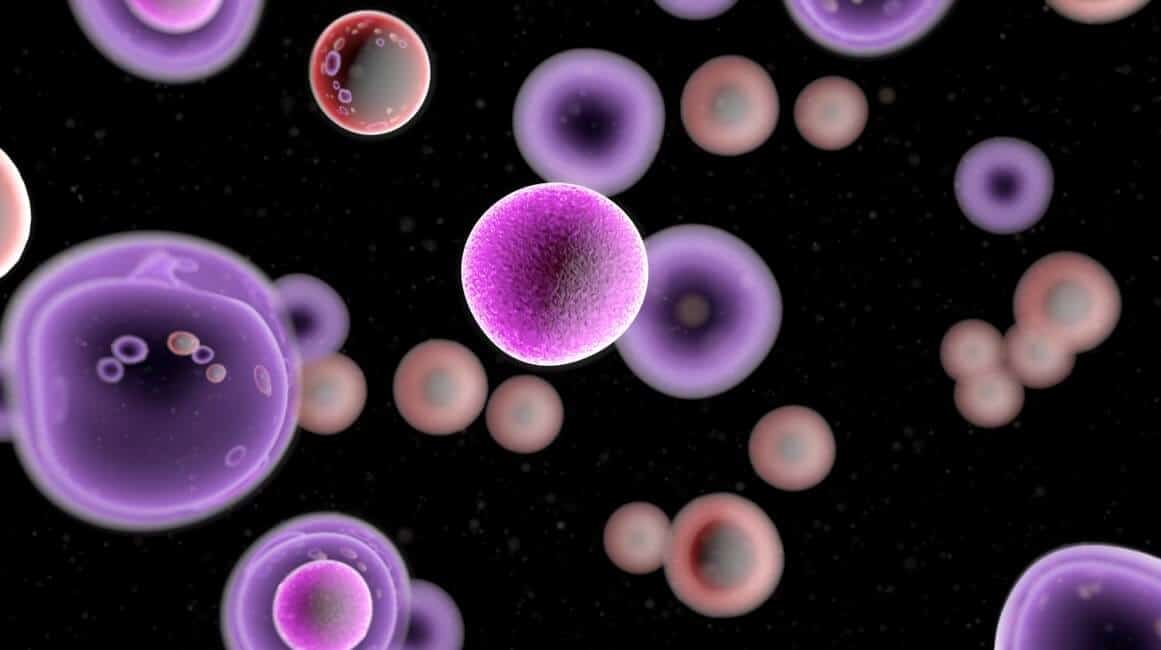
The human body is an intricate biological machine composed of trillions of cells, each governed by a strict set of rules that dictate growth, division, and lifespan. When these internal regulatory mechanisms fail, cells can begin to multiply uncontrollably. This unchecked cellular division forms the biological foundation of a complex group of diseases universally recognized as cancer. As one of the most formidable health challenges worldwide, this condition necessitates highly specialized, multidisciplinary medical intervention. Leading healthcare institutions, such as Liv Hospital, provide advanced oncology care aimed at halting disease progression, eradicating malignant cells, and preserving a patient’s overall vitality.
The Biological Basis of Malignant Cell Growth
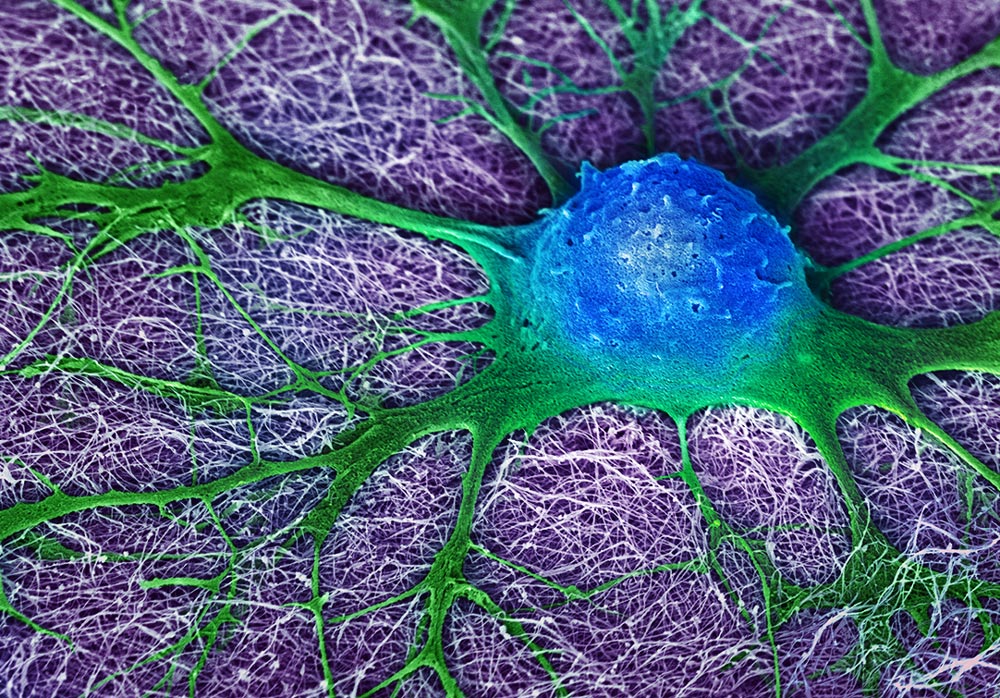
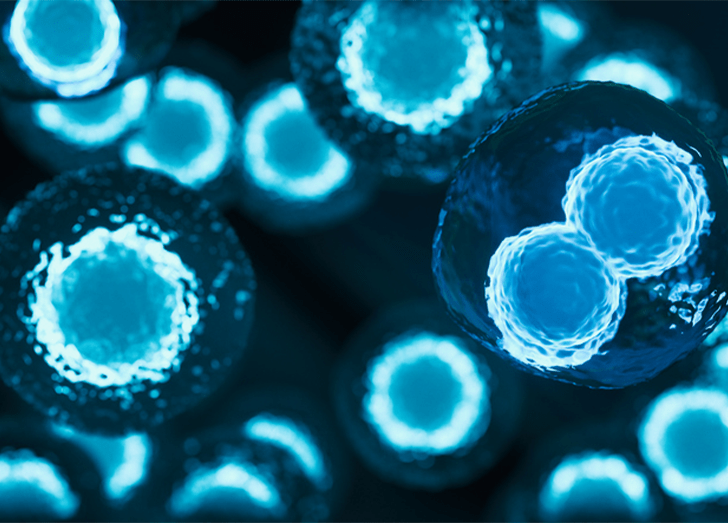
The transition from a normal, healthy cell to a malignant one is driven entirely by genetic mutations. These structural alterations disrupt normal DNA instructions, allowing cells to bypass the immune system’s natural surveillance and avoid programmed cell death. As these abnormal cells multiply rapidly, they often accumulate to form a localized mass known as a tumor.
If left unchecked, these malignant cells gain the ability to invade adjacent healthy tissues. Furthermore, they can penetrate the bloodstream or the lymphatic system, traveling to distant organs to establish secondary tumors—a highly complex process known as metastasis. When metastasis occurs, the disease demands a significantly more aggressive and systemic therapeutic approach to target malignancy throughout the entire body.
Diagnostic Precision and Advanced Imaging
Accurate and timely diagnosis forms the cornerstone of any effective oncology treatment strategy. Medical professionals rely on a sophisticated combination of diagnostic modalities to pinpoint tumors, identify their biological origin, and determine their precise stage. Initial physical examinations and comprehensive laboratory tests, such as complete blood counts and tumor marker analyses, often provide the first indications of an abnormality.
Following initial suspicions, advanced imaging technologies offer non-invasive visualizations of internal anatomy. Modalities such as high-resolution computed tomography (CT), magnetic resonance imaging (MRI), and positron emission tomography (PET) scans are critical for mapping the exact location of a tumor and assessing potential spread. However, a definitive diagnosis universally requires a tissue biopsy. During this procedure, a specialist extracts a small sample of the suspicious tissue, which pathologists analyze microscopically to confirm malignancy and classify the specific cellular subtype.
Core Treatment Modalities in Oncology
Once a definitive diagnosis is established and the exact stage is determined, multidisciplinary oncology teams formulate a highly personalized treatment protocol. For localized, solid tumors, surgical excision frequently serves as the primary line of defense. The surgical objective is to physically remove the malignant mass in its entirety, along with a margin of healthy surrounding tissue, to ensure complete eradication. Today, highly specialized surgeons leverage robotic-assisted platforms and minimally invasive laparoscopic techniques to minimize tissue trauma, reduce blood loss, and significantly accelerate postoperative recovery.
When surgery is not feasible, or as an adjunct therapy to prevent recurrence, radiation therapy is deployed. This modality utilizes high-energy particles or beams to fundamentally damage the DNA of malignant cells, effectively destroying their ability to replicate. Advanced delivery systems, such as Stereotactic Body Radiotherapy (SBRT), administer exceptionally high doses of radiation with sub-millimeter precision, destroying the tumor while preserving adjacent healthy organs.
For systemic disease management, chemotherapy remains a foundational treatment. Chemotherapy involves powerful pharmacological agents that circulate throughout the body, targeting and destroying rapidly dividing cells. While highly effective, these agents can also affect fast-growing healthy cells, requiring meticulous symptom management by the medical team.
The Shift Toward Precision Oncology and Immunotherapy
The oncology field has experienced a profound paradigm shift over the past decade, moving away from generalized treatments toward highly precise, personalized medicine. This innovative approach relies heavily on molecular profiling and genomic sequencing. By analyzing the unique genetic makeup of an individual’s tumor, oncologists can identify specific mutations and deploy targeted therapies. These specialized medications directly interfere with the specific proteins and signaling pathways that fuel tumor growth, often yielding superior outcomes with fewer systemic side effects.
Simultaneously, immunotherapy has revolutionized systemic disease management. Malignant cells often employ deceptive mechanisms to hide from the body’s natural defenses. Immunotherapy drugs, such as immune checkpoint inhibitors, strip away this cellular disguise, empowering the patient’s own immune system to recognize, target, and eliminate the malignancy. Furthermore, breakthroughs in cellular therapies, including CAR T-cell therapy, involve extracting a patient’s immune cells, genetically re-engineering them in a laboratory to fight the specific malignancy, and reintroducing them into the body.
Supportive Care and Long-Term Wellness
Addressing the disease at a cellular level is only one facet of comprehensive oncology care; supporting the patient’s physical and psychological well-being is equally essential. Integrated palliative and supportive care teams work in tandem with primary oncologists to manage treatment-related side effects, alleviate pain, and maintain nutritional health. Psychologists, physical therapists, and dietitians ensure that individuals receive holistic support throughout their rigorous treatment protocols.
The relentless pace of medical research continues to expand the therapeutic arsenal available to patients. With the integration of robotic surgical precision, targeted genomic therapies, and groundbreaking biological interventions, the medical community is vastly better equipped to confront and manage these complex cellular diseases. Through highly individualized protocols and a steadfast commitment to scientific innovation, the focus remains resolutely on eradicating illness, extending life expectancy, and safeguarding the highest possible quality of life for every individual undergoing treatment.