Orthopedics: Restoring Mobility and Enhancing Quality of Life
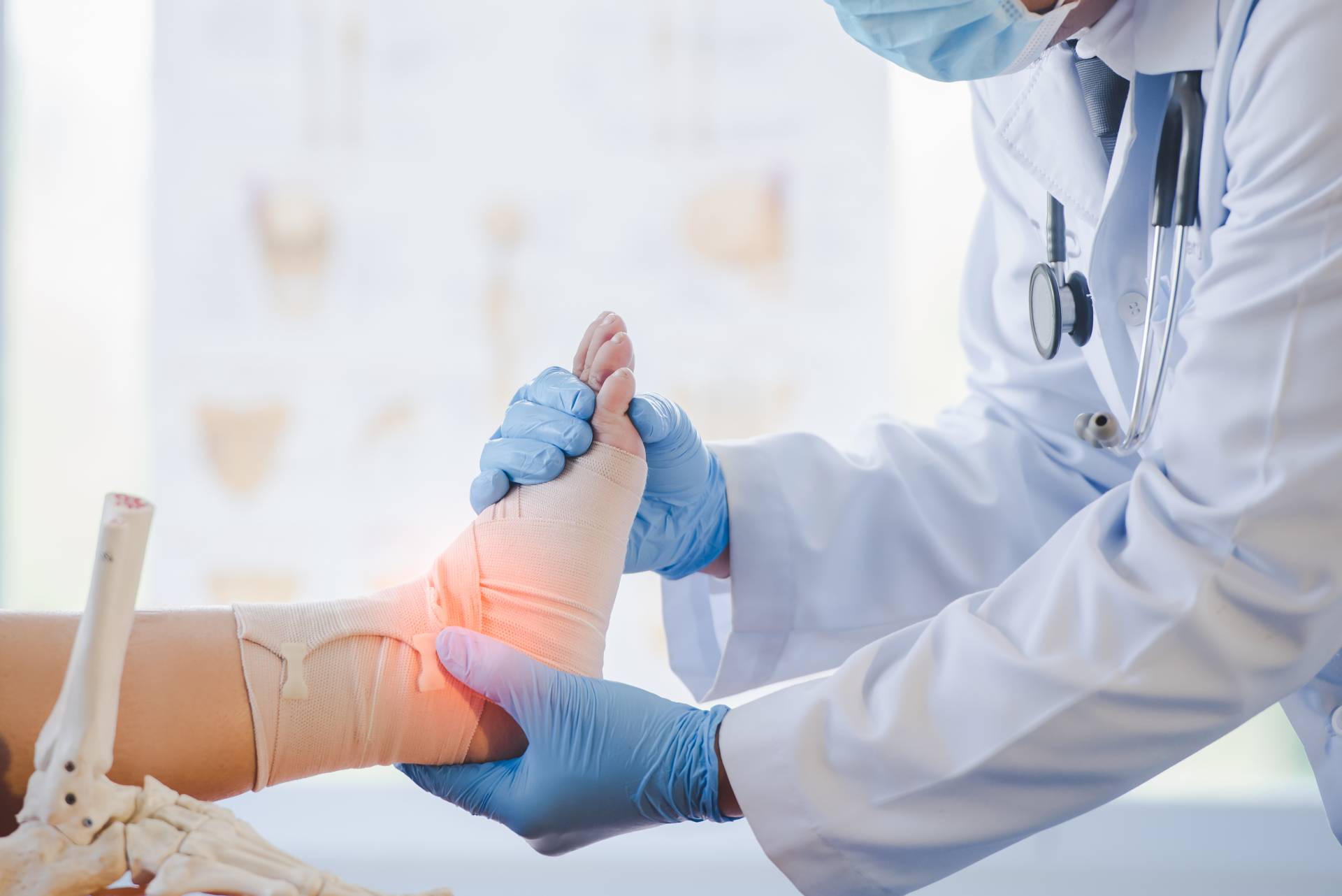
The human body relies on an incredibly intricate network of bones, joints, ligaments, tendons, and muscles to move, support weight, and maintain stability. This musculoskeletal system is fundamental to every physical action, from taking a simple step to performing high-level athletic feats. When this biological framework is compromised by injury, disease, or natural wear and tear, the impact on a person’s daily life can be profound. Preserving and restoring the function of these essential structures is the primary focus of an orthopedic medical professional. Through a combination of advanced diagnostic tools, conservative therapies, and precise surgical interventions, healthcare providers work to eliminate pain and restore full functional capacity. Globally recognized healthcare institutions, such as Liv Hospital, remain at the forefront of this specialty, offering highly targeted care to address a vast spectrum of physical challenges.
The Broad Spectrum of Bone and Joint Conditions
Musculoskeletal health encompasses a diverse array of conditions that can affect individuals across all stages of life. A significant portion of this medical field is dedicated to managing chronic, degenerative diseases. Osteoarthritis, characterized by the progressive deterioration of joint cartilage, affects millions of aging adults worldwide, leading to stiffness, swelling, and chronic pain. Osteoporosis, another prevalent condition, gradually weakens bone density, significantly increasing the risk of unexpected fractures during routine activities.
Beyond chronic degradation, specialists frequently address acute physical trauma. These emergency situations include severe bone fractures resulting from accidents, complex joint dislocations, and sudden tendon ruptures. Back and neck complications, frequently stemming from herniated spinal discs or spinal stenosis, also form a large segment of the cases requiring expert attention. Regardless of whether the structural damage originates from repetitive occupational strain, sudden high-impact trauma, or physiological aging, pinpointing the exact mechanism of injury is essential for developing a successful and lasting treatment protocol.
Precision Diagnostics and Imaging Technology
The foundation of any successful medical intervention lies in accurate and timely diagnosis. Physicians rely heavily on a combination of in-depth medical histories, comprehensive physical evaluations, and highly advanced diagnostic imaging technologies. Traditional X-rays continue to serve as the initial imaging modality for assessing bone alignment, identifying overt fractures, and evaluating the extent of arthritic joint space narrowing.
However, when dealing with intricate soft tissue injuries involving ligaments, menisci, or tendons, Magnetic Resonance Imaging (MRI) is indispensable. MRI provides high-resolution, cross-sectional images that reveal the subtlest tears and structural abnormalities without exposing the patient to ionizing radiation. For complex trauma cases or detailed preoperative planning, Computed Tomography (CT) scans offer three-dimensional visualizations of the skeletal architecture. In certain diagnostic scenarios, specialists may also extract and analyze joint fluid to rule out infectious diseases or specific inflammatory conditions like gout.
Prioritizing Non-Surgical and Conservative Care
The standard approach to musculoskeletal treatment typically prioritizes conservative, non-surgical methods whenever medically appropriate. The human body has a remarkable capacity for healing when provided with the correct support and environment. Physical therapy serves as a cornerstone of conservative management. Tailored exercise regimens help strengthen the musculature surrounding a compromised joint, thereby increasing stability, expanding the range of motion, and decreasing localized mechanical stress.
Pharmacological management is also utilized to mitigate discomfort and reduce tissue inflammation. Nonsteroidal anti-inflammatory medications can provide significant relief for acute flare-ups. Additionally, localized injection therapies have become highly refined over recent years. Corticosteroid injections offer rapid, targeted suppression of joint inflammation, while hyaluronic acid injections act as a synthetic lubricant for osteoarthritic knees, facilitating smoother movement. Ergonomic modifications, weight management strategies, and activity pacing further contribute to long-term joint preservation and pain reduction.
Surgical Excellence and Minimally Invasive Techniques
When conservative measures fail to yield adequate relief and structural damage significantly impairs an individual’s lifestyle, surgical intervention becomes a necessary step. The surgical landscape within this specialty has experienced a paradigm shift toward minimally invasive procedures. Arthroscopy is a prime example of this evolution. By utilizing tiny incisions, specialized illuminated cameras, and micro-instruments, surgeons can perform complex repairs on torn cartilage and ligaments with minimal disruption to surrounding healthy tissues. This refined approach drastically reduces postoperative pain and accelerates recovery timelines.
For patients suffering from end-stage joint degeneration, total or partial joint replacement surgery—known as arthroplasty—offers a transformative solution. Hip, knee, and shoulder replacements involve removing the damaged biological surfaces and implanting highly durable prosthetic components made from medical-grade metals and polymers. Recent integrations of robotic-assisted surgical systems have further elevated the precision of these procedures, ensuring optimal implant alignment and maximizing the longevity of the artificial joint.
Specialized Care for Diverse Patient Demographics
The intricacies of the human skeleton require highly specialized knowledge tailored to different patient demographics. Pediatric specialists dedicate their practice to the unique physiological demands of growing bones. They address congenital conditions such as clubfoot, monitor and surgically correct spinal deformities like scoliosis, and carefully manage injuries involving active growth plates to prevent long-term developmental issues.
Conversely, sports medicine focuses on the high-performance demands of athletes. The primary objective in this sub-specialty is not only to repair the injury but also to facilitate a safe, rapid return to peak physical activity. This often involves highly specific surgical techniques to reconstruct crucial stabilizing ligaments, such as the anterior cruciate ligament (ACL) in the knee, followed by intensive, sport-specific rehabilitation protocols.
The Path Forward in Musculoskeletal Healing
The continuous pursuit of medical excellence promises a bright future for the treatment of bone and joint disorders. Research into regenerative medicine and biologics, including therapies utilizing platelet-rich plasma, aims to harness the body’s intrinsic healing factors to accelerate tissue repair and potentially regenerate damaged cartilage. As surgical techniques become even more precise and postoperative rehabilitation protocols become more individualized, patient outcomes continue to improve steadily. Through a steadfast commitment to technological innovation and patient-centered care, the medical community ensures that individuals suffering from musculoskeletal limitations can reclaim their mobility, overcome chronic pain, and enjoy a highly active, fulfilling life for years to come.