Unveiling Stem Cell Therapies and Transplants
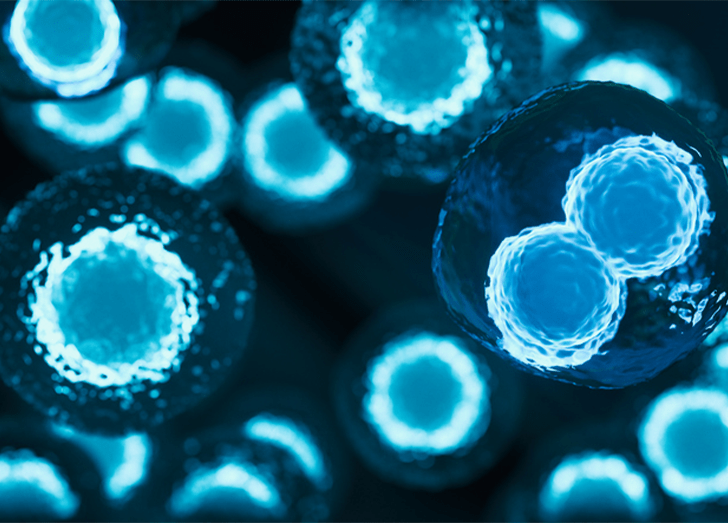
The landscape of modern medicine has undergone a profound transformation with the advent of cellular therapies. At the forefront of this medical revolution are treatments utilizing the body’s fundamental building blocks to repair, replace, or regenerate damaged tissues and vital systems. For decades, severe hematological disorders and malignancies posed insurmountable challenges to healthcare professionals. Today, highly specialized Stem Cell Treatment and Procedures offer definitive, life-saving pathways for patients facing conditions that were once considered universally fatal. By harnessing the innate regenerative power of human biology, these advanced medical interventions have redefined the possibilities of healing and long-term recovery.
The Biological Blueprint of Cellular Therapy
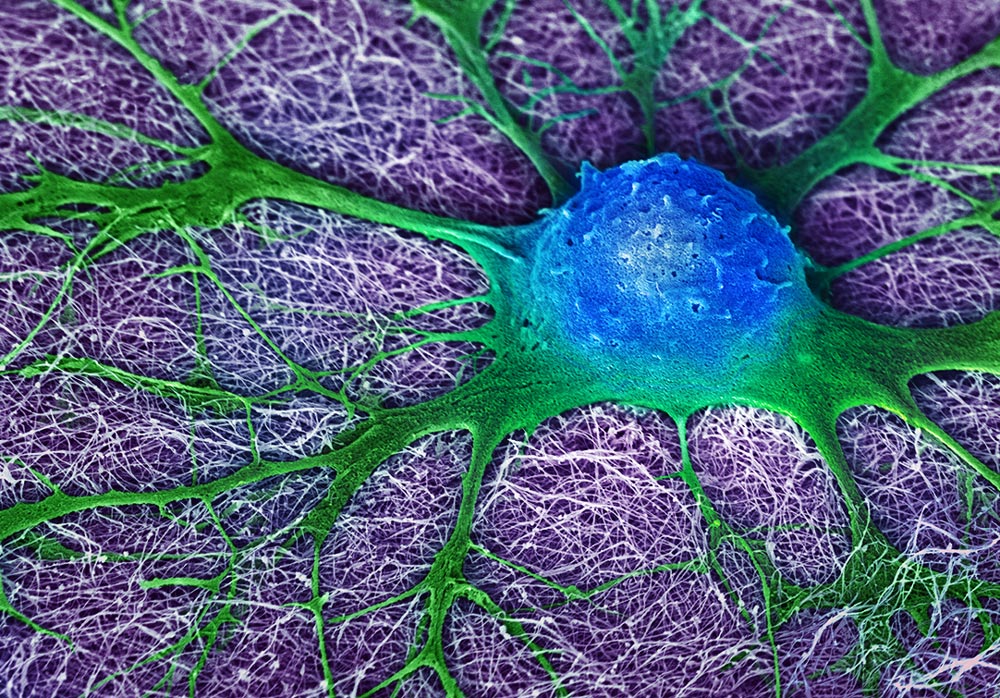
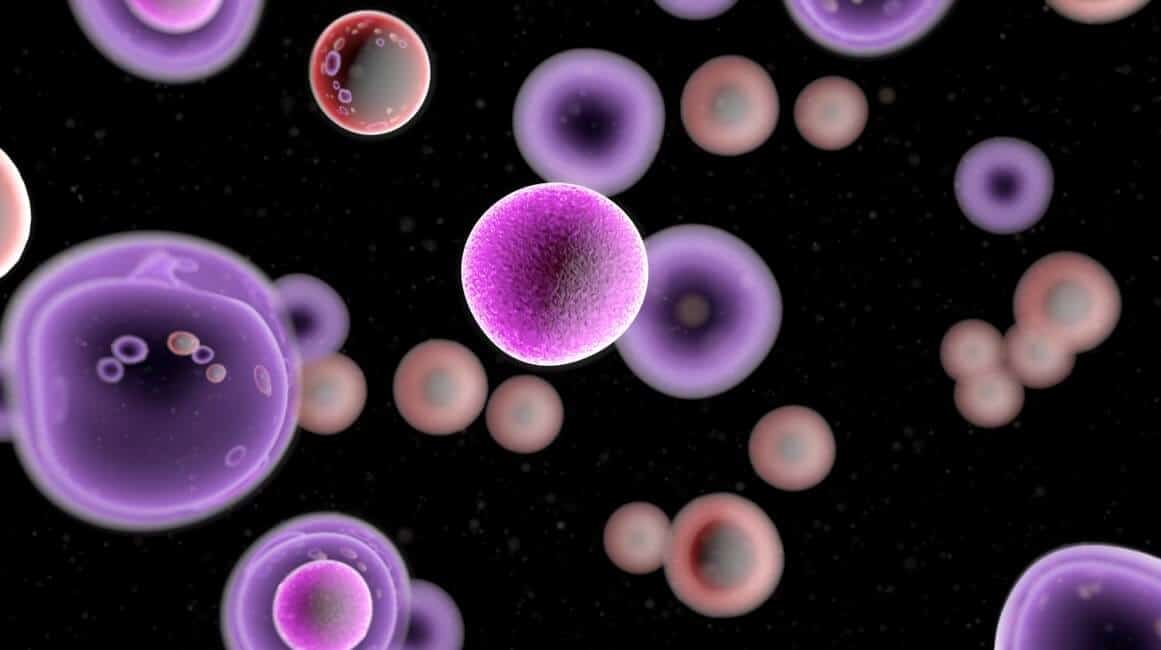
To grasp the magnitude of these medical advancements, it is essential to explore the underlying biology of stem cells. These are unique, unspecialized cells characterized by their remarkable ability to develop into many different cell types. In the context of hematological treatments, medical professionals primarily focus on hematopoietic stem cells. Residing predominantly within the spongy tissue of the bone marrow, these powerful progenitor cells act as the body’s microscopic factory, continuously dividing to produce oxygen-carrying red blood cells, infection-fighting white blood cells, and clot-forming platelets.
When diseases such as leukemia, lymphoma, multiple myeloma, or severe aplastic anemia invade the body, they severely compromise this delicate production line. The bone marrow either becomes overcrowded with malignant cells or inexplicably ceases production altogether, leaving the patient devoid of a functional immune system and blood supply. Cellular therapy intervenes by introducing a fresh, uncontaminated supply of healthy stem cells into the patient’s body, effectively rebooting the hematopoietic system from the ground up.
Categorizing the Core Treatment Modalities
Medical professionals meticulously tailor cellular therapies based on the patient’s specific diagnosis, age, and overall physiological resilience. These interventions generally fall into two primary categories:
- Autologous Transplants: This procedure utilizes the patient’s own biological material. Stem cells are safely extracted from the bloodstream and cryopreserved. The patient then undergoes highly intensive chemotherapy to eradicate any malignant cells remaining in the body. Once the diseased marrow is thoroughly eliminated, the preserved healthy cells are thawed and reinfused, bypassing any risk of immunological rejection.
- Allogeneic Transplants: This modality relies on stem cells procured from a healthy donor. The donor may be a fully matched sibling, a partially matched family member, or a genetically compatible volunteer from an international registry. Allogeneic procedures are highly complex, as they require strict Human Leukocyte Antigen (HLA) matching to prevent graft-versus-host disease (GVHD)—a severe complication where the donor’s immune system recognizes the recipient’s tissues as foreign.
The Rigorous Phases of Medical Execution
Undergoing these highly sophisticated cellular interventions involves a meticulously orchestrated, multi-phased medical journey. The process begins with collection, where stem cells are harvested either directly from the bone marrow or, more commonly, filtered from the peripheral bloodstream using specialized apheresis technology.
Following collection, the patient enters the conditioning phase. During this critical period, oncologists administer targeted, myeloablative doses of chemotherapy and occasionally total body irradiation. This phase serves the dual purpose of destroying the residual diseased cells and suppressing the patient’s existing immune system to prevent it from rejecting the incoming cells.
The subsequent infusion is executed intravenously, closely resembling a standard blood transfusion. Guided by remarkable biological homing signals, these specialized cells navigate through the bloodstream and settle into the empty bone marrow cavities. Over the ensuing weeks, a highly sensitive physiological period known as engraftment occurs, during which the newly settled cells actively multiply and initiate the generation of a healthy, newly formed blood supply.
The Imperative of World-Class Healthcare Infrastructure
The highly intense conditioning phase leaves patients profoundly immunocompromised, entirely stripped of their natural biological defenses. Consequently, the environment in which the medical recovery takes place is just as critical to the patient’s survival as the therapy itself.
Executing these high-stakes procedures requires an immense degree of coordination, cutting-edge medical technology, and a strictly regulated environment. Patients must be housed in specialized positive-pressure isolation rooms equipped with high-efficiency particulate air (HEPA) filtration systems to mitigate the risk of opportunistic environmental infections. Furthermore, managing the delicate post-transplant recovery phase demands a deeply integrated, multidisciplinary medical team comprising specialized hematologists, intensive care staff, and infectious disease experts.
Premier global medical institutions, such as Liv Hospital, are intentionally designed and technologically equipped to meet these exact structural and multidisciplinary demands. Such facilities ensure that patients receive the relentless, comprehensive monitoring, rapid complication management, and exact supportive care required to navigate the most vulnerable phases of their medical journey safely.
Expanding the Horizons of Healing
The therapeutic applications for cellular medicine continue to expand at a rapid and highly encouraging pace. As global researchers continuously refine patient safety protocols, targeted conditioning regimens are successfully making these treatments far more accessible to demographics previously deemed medically ineligible. Simultaneously, the integration of advanced biotechnologies and genetic editing promises an era where cellular manipulation can cure an even broader spectrum of inherited and acquired diseases. The continuous pursuit of scientific excellence ensures that cellular therapies will remain a vital pillar of modern medicine, dramatically elevating survival rates and securing healthier futures for patients worldwide.