The Science and Impact of Cellular Therapies
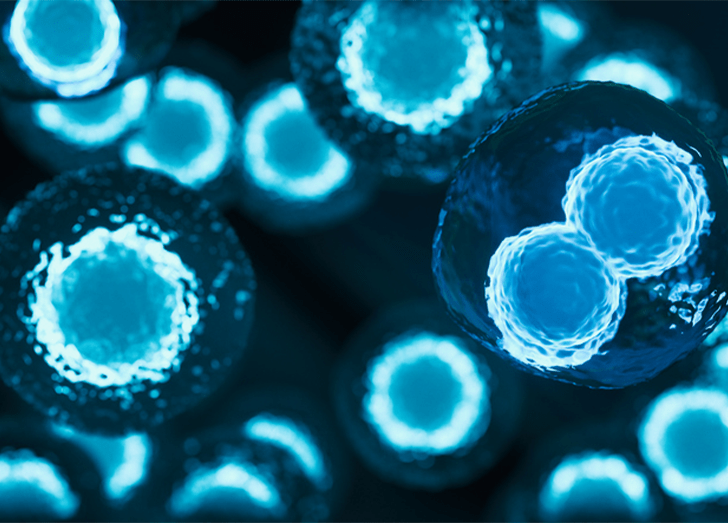
Over the past few decades, medical science has achieved remarkable milestones in treating severe blood cancers and complex hematological disorders. Central to these life-saving medical breakthroughs is the highly sophisticated procedure known as a Stem Cell Transplant. This intricate medical intervention replaces damaged, diseased, or non-functioning bone marrow with healthy, fully functional stem cells, offering a robust pathway to remission and long-term recovery for patients facing historically fatal conditions. By restoring the body’s innate ability to produce healthy blood components, this procedure has fundamentally transformed the therapeutic landscape and drastically improved the prognosis for millions of individuals worldwide.
The Biological Foundation of Hematopoiesis
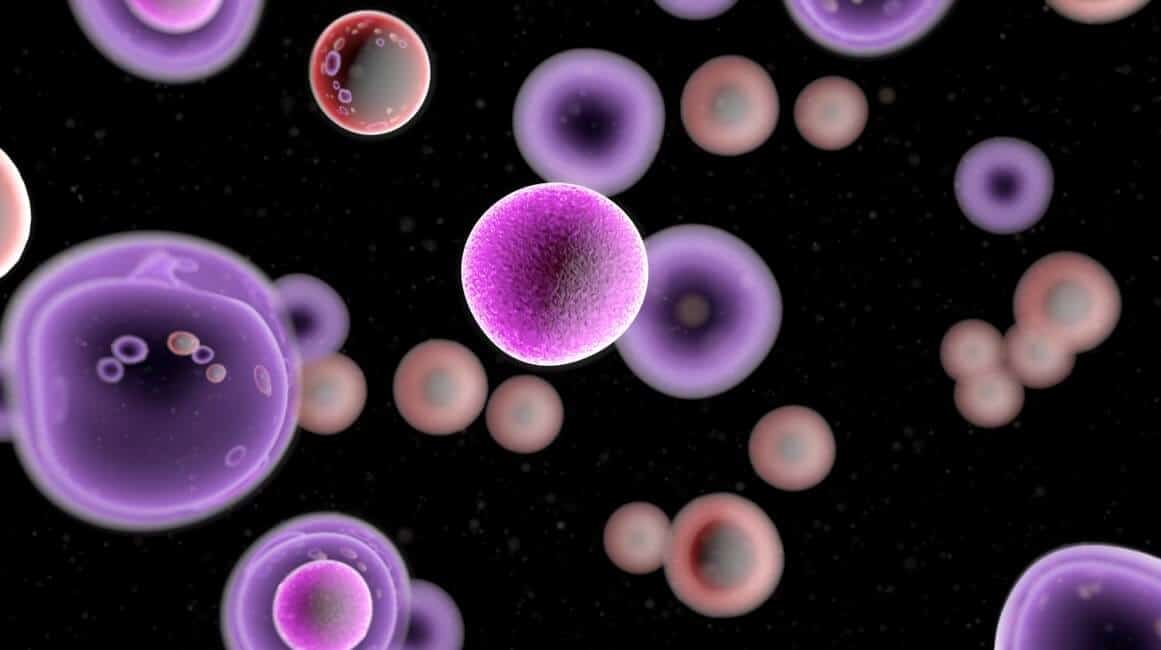
To fully grasp the profound impact of this therapy, it is essential to explore the biological mechanics of hematopoietic stem cells. Residing deep within the spongy tissue of the bone marrow, these powerful, immature cells possess the unique capability to differentiate and develop into all three critical components of the human blood supply. They mature into oxygen-carrying red blood cells, infection-fighting white blood cells, and platelets that facilitate essential blood clotting.
When debilitating diseases such as leukemia, lymphoma, or severe aplastic anemia invade and compromise the bone marrow, the natural production of these essential cells is severely disrupted, leaving the patient highly vulnerable to severe anemia, uncontrollable bleeding, and fatal infections. A cellular transplant introduces a fresh, uncontaminated supply of healthy stem cells, essentially rebooting the body’s hematopoietic system and regenerating a brand-new, healthy immune system from the ground up.
Categorizing the Types of Cellular Transplants
Medical professionals generally categorize these procedures into two primary modalities, each carefully tailored to the patient’s specific diagnosis, age, and overall health condition. An autologous transplant utilizes the patient’s very own stem cells. In this scenario, the cells are safely harvested from the patient’s bloodstream and cryopreserved before the administration of intensive, marrow-destroying treatments. Once the diseased marrow is eradicated, the patient’s own healthy cells are thawed and reinfused, bypassing any risk of immune rejection.
Conversely, an allogeneic transplant relies entirely on stem cells procured from a healthy donor. This donor could be a fully matched sibling, a haploidentical (half-matched) family member, or a completely unrelated volunteer located through vast international donor registries. Allogeneic transplants demand meticulous Human Leukocyte Antigen (HLA) matching. Precise HLA typing is crucial to minimize the severe risk of the donor’s new immune cells recognizing the recipient’s body as foreign and attacking its tissues—a dangerous and highly complex medical complication known as graft-versus-host disease (GVHD).
Navigating the Treatment and Engraftment Process
The journey of undergoing this procedure requires immense physical resilience and highly precise medical coordination. Patients first undergo a rigorous conditioning phase. Depending on the patient’s physical stamina and disease state, physicians administer myeloablative (high-dose) or reduced-intensity conditioning, which involves chemotherapy and occasionally total body irradiation. This phase serves a dual purpose: it completely destroys the residual diseased cells hiding in the body and suppresses the patient’s immune system to prevent it from rejecting the incoming donor cells.
Following the completion of the conditioning phase, the actual infusion takes place. Interestingly, the stem cells are not surgically implanted into the bone; rather, they are delivered intravenously, much like a standard blood transfusion. Guided by natural biological signals, these highly specialized cells navigate through the bloodstream and home in on the empty bone marrow cavities. Over the following weeks, a highly critical physiological period known as engraftment occurs, during which the newly settled cells officially begin generating healthy, newly formed blood components.
Expansive Treatment Applications in Modern Medicine
The therapeutic applications for this procedure are remarkably expansive and continue to grow as research progresses. Hematologists and oncologists primarily utilize cellular transplants to aggressively treat malignancies of the blood and lymphatic systems. This includes acute myeloid leukemia (AML), acute lymphoblastic leukemia (ALL), multiple myeloma, Hodgkin’s lymphoma, and various forms of non-Hodgkin’s lymphoma.
Beyond the realm of oncology, the procedure is increasingly and successfully applied to non-malignant yet deeply debilitating genetic disorders. Conditions such as sickle cell disease, thalassemia major, and various severe combined immunodeficiency (SCID) syndromes are now routinely evaluated for transplantation. For many of these complex hereditary conditions, replacing the genetically defective immune and blood-forming systems remains the only permanently viable curative option available in modern medicine.
The Critical Role of Specialized Medical Infrastructure
Because the intensive conditioning phase leaves patients profoundly immunocompromised and completely stripped of their natural defenses, the environment in which the recovery occurs is just as critical to survival as the medical procedure itself. Specialized transplant centers must maintain the highest echelons of rigorous hygiene protocols. This includes structural necessities such as high-efficiency particulate air (HEPA) filtered positive-pressure isolation rooms, which strictly control the environment to shield fragile patients from airborne pathogens and opportunistic environmental infections.
Furthermore, managing the delicate, highly volatile post-transplant recovery phase demands a deeply cohesive, multidisciplinary medical team. This team typically consists of specialized transplant hematologists, infectious disease experts, clinical dietitians, respiratory therapists, and highly trained oncology nurses who monitor the patient around the clock. Leading international medical centers, such as Liv Hospital, are intentionally designed and technologically equipped to meet these exact structural and multidisciplinary demands. Such facilities ensure that patients receive the meticulous monitoring, rapid complication management, and comprehensive supportive care required throughout their highly sensitive recovery journey.
The Continuous Evolution of Hematological Oncology
The horizon of hematological oncology and cellular therapy continues to expand at a rapid and highly encouraging pace as global researchers continuously refine patient safety protocols. Advances in targeted conditioning regimens are successfully making transplants far more accessible to older patients and those with pre-existing comorbidities who were previously deemed medically ineligible for such intensive therapies.
Simultaneously, the development of enhanced immunosuppressive medications and highly targeted biological therapies is significantly reducing the incidence and severity of graft-versus-host disease in allogeneic procedures. As medical science seamlessly integrates newer biotechnologies, including advanced donor-matching algorithms and post-transplant cellular manipulation, the overall safety, efficacy, and curative potential of these therapies will undoubtedly continue to rise. This continuous scientific evolution guarantees that cellular transplantation will remain a vital pillar of modern medicine, dramatically extending survival rates and enhancing the overall quality of life for countless individuals facing the most complex blood disorders.