Stem Cell: Harnessing Cellular Healing
The human body is an extraordinary biological system equipped with profound mechanisms for self-repair and maintenance. From mending minor abrasions to recovering from viral infections, innate healing processes are constantly operating beneath the surface. However, when faced with chronic diseases, severe trauma, or degenerative conditions, these natural repair mechanisms often prove insufficient, leaving individuals with persistent ailments and diminished physical function. Over recent decades, medical science has actively pursued strategies to amplify the body’s innate capacity to heal. At the forefront of this medical frontier is regenerative medicine, a specialized discipline that holds immense promise for treating a wide array of complex health challenges. Leading medical institutions, such as Liv Hospital, have embraced these advanced therapeutic approaches, offering patients renewed options where conventional treatments may have reached their limitations. This sophisticated approach shifts the overarching medical focus from merely managing symptoms to actively repairing the underlying biological damage.
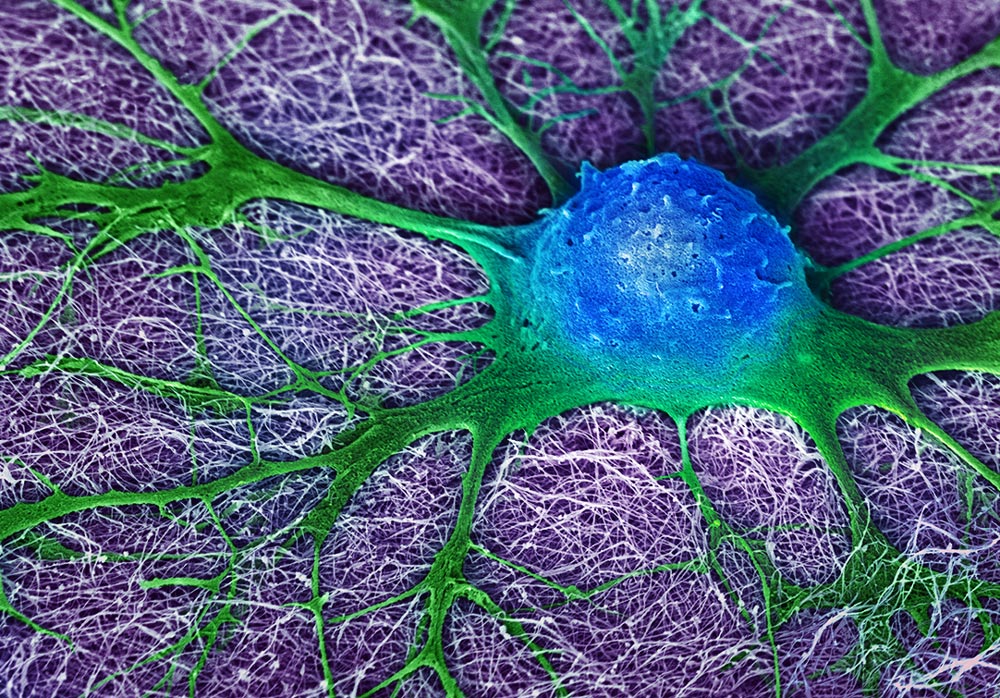
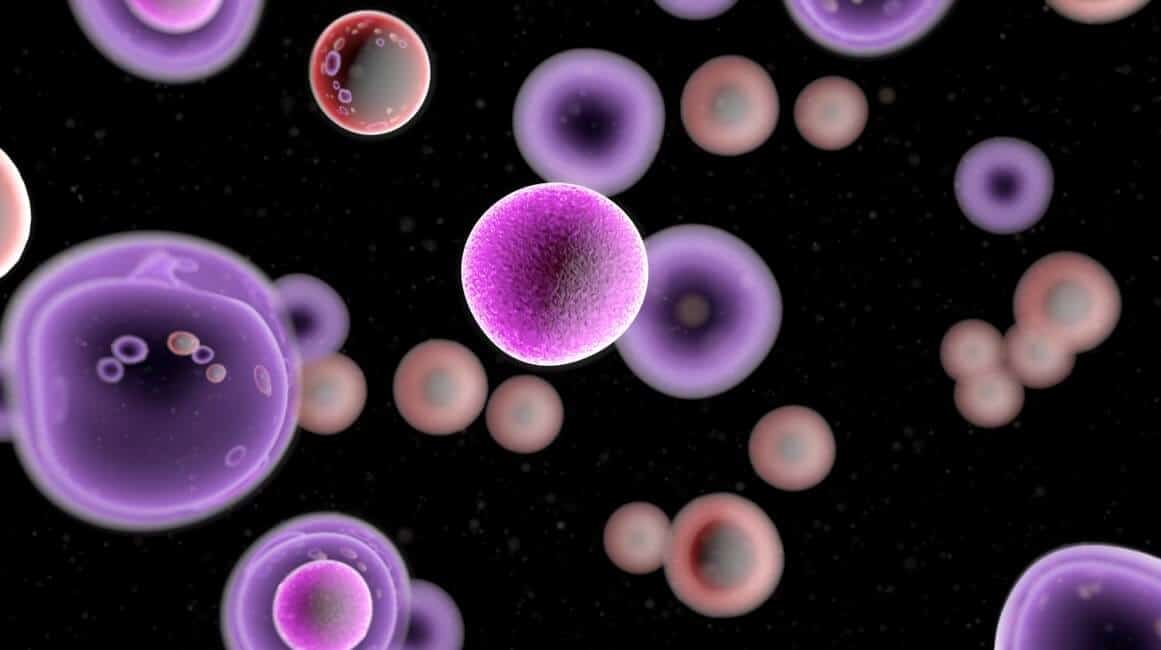
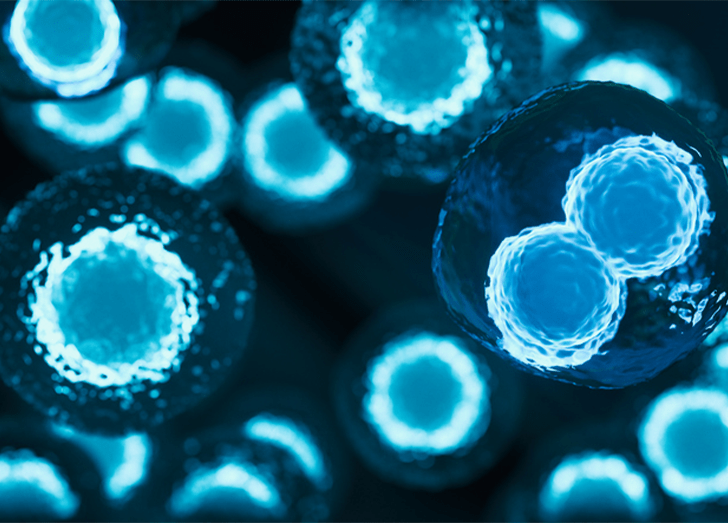
At the absolute core of this therapeutic revolution is the stem cell, a uniquely adaptable biological building block possessing the remarkable capacity to develop into many different specialized cell types within the body. Unlike typical muscle cells, red blood cells, or nerve cells—which do not normally replicate themselves once fully mature—these foundational units possess two defining characteristics that make them invaluable in regenerative medicine. The first essential characteristic is self-renewal, which means they can divide and produce identical copies of themselves almost indefinitely, thereby maintaining a pool of cells for future repair. The second vital characteristic is differentiation, the inherent ability to mature into highly specialized cells with specific physiological functions when placed under the correct environmental conditions or chemical signals. When the body suffers an acute injury or chronic tissue degradation, these microscopic repair engines can migrate to the affected area to orchestrate a highly complex healing response. They not only possess the potential to replace damaged tissue physically, but they also release powerful growth factors and anti-inflammatory proteins that signal the surrounding tissues to initiate the repair process.
The applications of these cellular therapies are vast and continually expanding as rigorous scientific research progresses globally. One of the most firmly established and widely recognized forms of this treatment involves the hematopoietic system. For several decades, medical professionals have successfully utilized cellular transplants to treat aggressive blood cancers such as leukemia and lymphoma, as well as certain inherited genetic blood disorders and severe immune system deficiencies. By replacing diseased or malfunctioning bone marrow with healthy, functional cellular elements, patients are provided with a completely renewed immune and circulatory framework, which often serves as a lifesaving intervention.
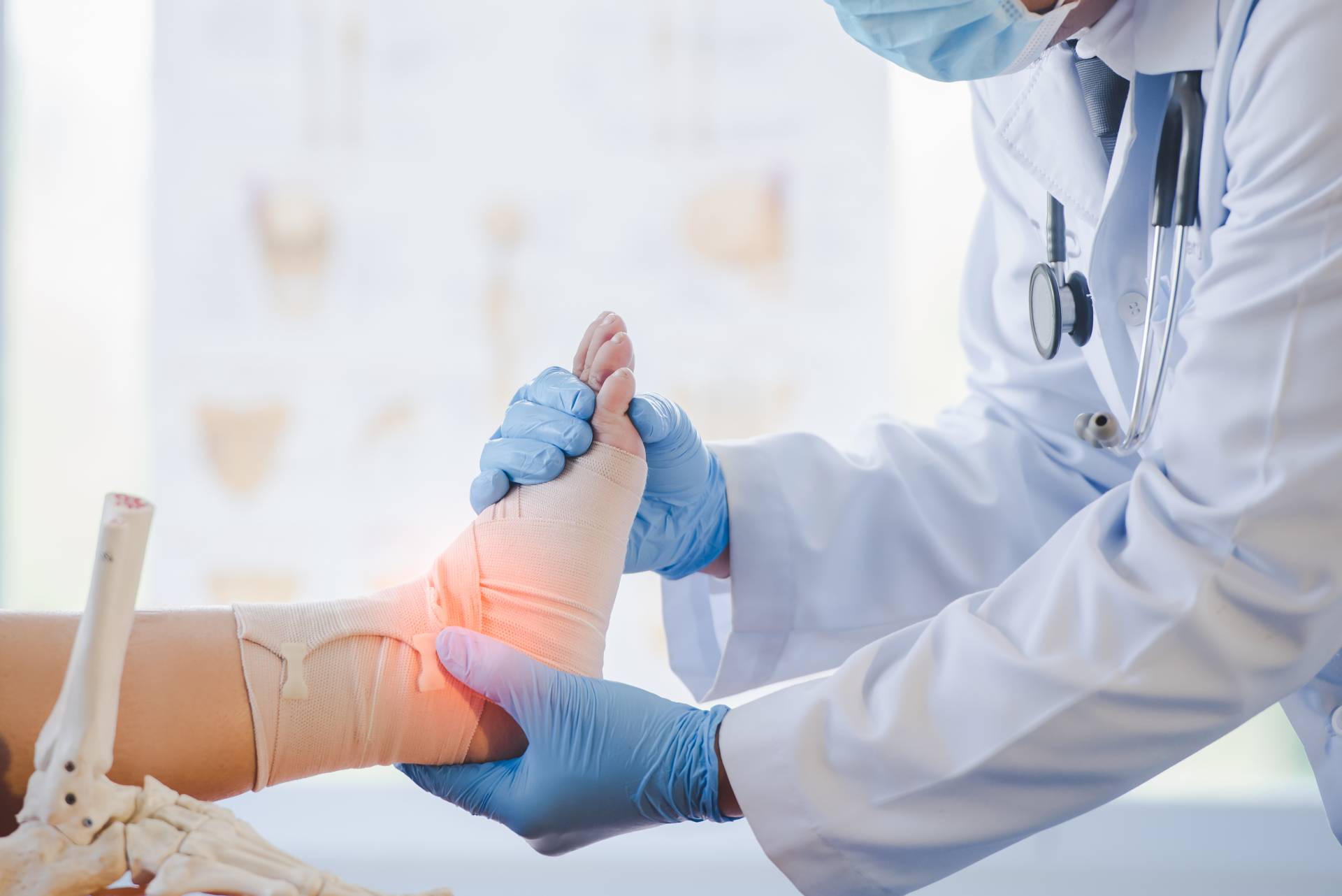
Beyond life-threatening blood disorders, regenerative approaches are making highly significant strides within the field of orthopedics. Individuals suffering from osteoarthritis, severe cartilage degeneration, and sports-related tendon or ligament injuries are increasingly turning to these advanced treatment protocols. By injecting concentrated cellular material directly into the affected joint, medical professionals aim to significantly reduce chronic inflammation, alleviate persistent pain, and promote the structural regeneration of damaged cartilage. This approach provides a viable alternative or a strong complementary option to invasive joint replacement surgeries, allowing patients to potentially regain mobility and improve their functional quality of life much faster than traditional surgical rehabilitation methods generally permit.
While orthopedic and hematological applications currently lead the active treatment landscape, ongoing laboratory research and clinical trials are aggressively exploring targeted interventions for far more complex systemic and neurological conditions. Autoimmune diseases, characterized by an overactive immune system mistakenly attacking healthy tissues, are a prime target for investigation. Certain cellular therapies have demonstrated the unique ability to modulate abnormal immune responses, calming systemic inflammation and preventing further tissue destruction. Furthermore, dedicated researchers are investigating cellular interventions for debilitating neurological conditions such as Parkinson’s disease, multiple sclerosis, and traumatic spinal cord injuries. Though many of these applications remain in rigorous clinical trial phases, the potential to replace damaged neurons and positively alter the nervous system’s internal environment represents a monumental leap forward in medical science. The overarching goal is to eventually reverse or halt conditions that were previously considered permanently debilitating or progressively degenerative.
The ultimate success of these advanced regenerative treatments heavily relies on the precise methodology utilized during the extraction, processing, and delivery phases. Therapies frequently utilize cells carefully harvested from the patient’s own body, known as autologous therapy, which effectively eliminates the dangerous risk of immune rejection. Common harvesting sources include bone marrow and adipose tissue, both of which are naturally rich in regenerative biological elements. Once harvested through a minimally invasive medical procedure, the biological material is rapidly transported to a highly specialized, sterile laboratory environment. Here, medical technicians isolate and meticulously prepare the necessary cells to ensure an optimal concentration for therapeutic use. The environment where this processing occurs is incredibly critical; facilities operating under strictly regulated manufacturing standards ensure that the cellular products are safe, highly viable, and completely free from any contamination. After careful preparation, the concentrated therapeutic dose is introduced back into the patient, either through a systemic intravenous infusion or via a highly localized, ultrasound-guided injection directly into a damaged tissue bed.
As regenerative medicine continues to evolve at a rapid pace, patient safety, institutional transparency, and strict scientific integrity remain absolutely paramount. The medical community places immense emphasis on rigorous patient evaluation prior to initiating any procedure. Not every individual or medical condition is a suitable candidate for cellular therapy. Thorough medical consultations, comprehensive blood work, and detailed imaging studies are universally required to determine if this therapeutic avenue truly aligns with a patient’s specific health profile and long-term recovery goals. Reputable medical professionals focus heavily on delivering realistic expectations to their patients, avoiding exaggerated promises of instant cures, and prioritizing proven, evidence-based protocols. They intimately understand that true biological repair requires significant time. While patients may experience a noticeable reduction in pain and inflammation within a few weeks, substantial structural healing and full functional restoration often unfold gradually over a period of several months.
The trajectory of global healthcare is undeniably intertwined with the continuous advancements occurring in biological sciences and regenerative treatments. By successfully harnessing the innate restorative power of the human body, medical experts are completely transforming the traditional approach to chronic disease management, severe physical injuries, and degenerative aging. As laboratory techniques refine and expansive clinical trials uncover entirely new therapeutic potentials, the overall scope of regenerative treatments will unquestionably continue to broaden. The unwavering dedication to maintaining rigorous safety standards, coupled with highly personalized and attentive patient care, ensures that these sophisticated biological interventions remain a shining beacon of progress in the modern medical field. Through ongoing innovation and a steadfast commitment to scientific excellence, the global medical community continues to pave the viable way toward a future where true cellular healing is a safe, effective, and widely accessible reality for patients everywhere.