



Turkey-Syria Normalization Talks Freeze as Drone Strikes Rock Hasaka and Mutual Accusations Fly
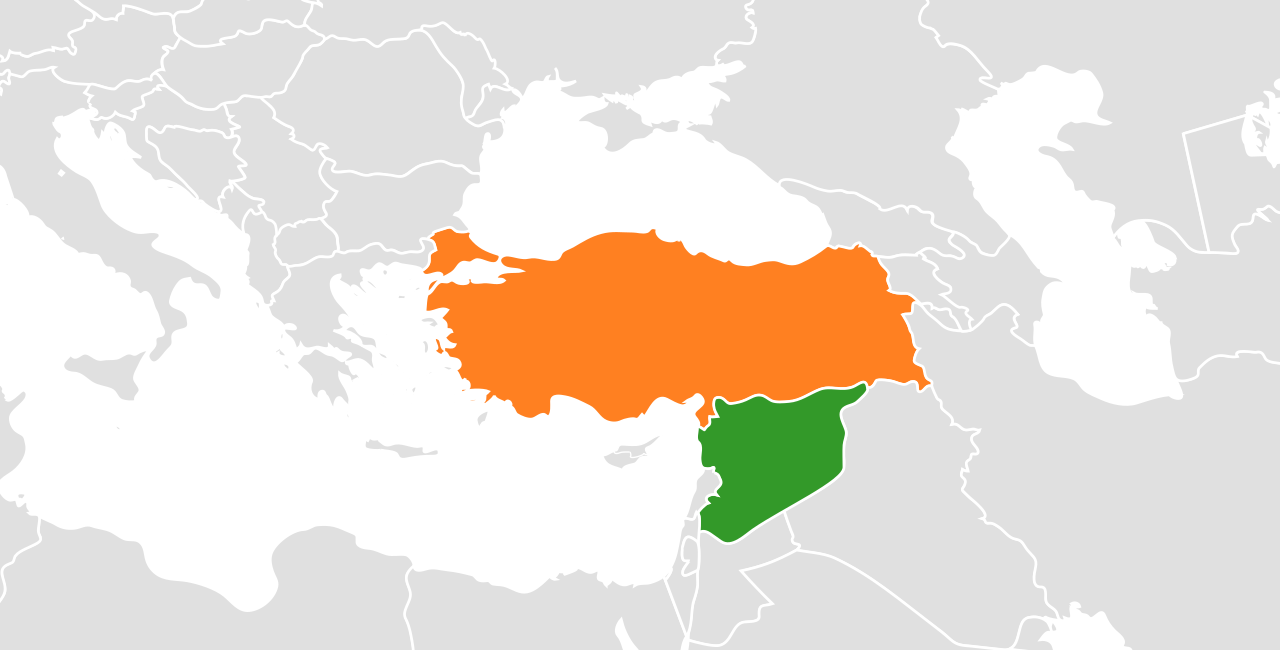
Dateline: ANKARA / QAMISHLI — January 20, 2026
The tentative diplomatic thaw between Ankara and Damascus, meticulously engineered over the last year by Russian and Iraqi mediators, faces its most precipitous collapse to date. On Tuesday, a series of precision drone strikes targeted strategic installations in the Al-Hasakah province of northeastern Syria, shattering a month-long lull in hostilities and prompting a fierce war of words that threatens to reignite a broader regional conflict.
The Flashpoint: Hasaka Under Fire
In the early hours of Tuesday, residents of Qamishli and the outskirts of Hasaka reported multiple loud explosions. According to local sources and the Syrian Observatory for Human Rights, at least three Unmanned Aerial Vehicles (UAVs) struck compounds operated by the Syrian Democratic Forces (SDF).
While the SDF claims the strikes targeted a perimeter guarding a detention facility holding high-value ISIS (Daesh) detainees, effectively aiding a prison break, Turkish security sources have vehemently denied these allegations. Speaking on condition of anonymity, a Turkish defense official stated that the operation was “a surgical strike against PKK/YPG command centers planning cross-border attacks into Turkey,” and asserted that Turkey’s rules of engagement strictly prioritize the containment of ISIS elements.
Ankara’s Sharp Rebuttal
The diplomatic fallout was immediate. By mid-day, allegations circulated on social media and through SDF-affiliated news outlets claiming that the Turkish strikes allowed for the escape of several Daesh militants.
Turkish Foreign Minister Hakan Fidan, addressing a press conference in Ankara following a cabinet meeting, rejected these claims as “disinformation warfare.”
“Turkey is the only NATO member to have fought Daesh face-to-face on the ground,” Fidan declared, visibly frustrated. “To suggest that our operations against a recognized terror organization like the PKK/YPG are designed to aid another terror group is a malicious lie intended to garner Western sympathy. Our target is terror, in all its forms. We will not tolerate a terror corridor on our southern border, regardless of the flag it waves.”
Fidan further emphasized that Turkey provided intelligence to the Global Coalition regarding the security of prisons in the region, arguing that the SDF uses the Daesh detainees as “hostages against the international community” to secure political legitimacy.
![Image Placeholder: A wide-angle shot of a dusty landscape in northeastern Syria. In the foreground, Turkish military vehicles are patrolling near a concrete border wall. In the background, smoke rises from a distant building. An inset image shows Turkish Foreign Minister Hakan Fidan looking stern during a press conference.]
Damascus Pauses Negotiations
The most significant casualty of the day’s events may be the “normalization process” between President Recep Tayyip Erdoğan and Syrian President Bashar al-Assad. The two leaders were rumored to be preparing for a high-level summit in Baghdad next month—a meeting that would have marked the first direct encounter in over a decade.
However, following the strikes, the Syrian Foreign Ministry issued a statement condemning the “violation of Syrian sovereignty.” While Damascus opposes the SDF’s autonomy, it views Turkish military incursions as a greater immediate threat to its territorial integrity. Sources close to the presidential palace in Damascus indicate that the preparatory meetings for the Baghdad summit have been “indefinitely suspended” until Turkey provides guarantees regarding the cessation of airstrikes.
The Russian Dilemma
This escalation places Moscow in a difficult position. Russia, the primary backer of the Assad regime and a key partner of Turkey, has invested significant diplomatic capital in reconciling the two neighbors. The Kremlin’s goal is to stabilize Syria to reduce its own military footprint while pulling Turkey further away from US influence.
Kremlin spokesperson Dmitry Peskov urged “restraint from all parties” on Tuesday. “We are in close contact with our Turkish and Syrian partners. We understand Turkey’s security concerns regarding terrorist elements, but we emphasize that the path to security lies through the restoration of Syrian government control over all its territory,” Peskov said. Analysts interpret this as a signal to Ankara that large-scale operations are not currently approved by Russia, but also a signal to the SDF that their reliance on US protection is waning.
The Humanitarian Dimension and the Refugee Question
Behind the high-stakes diplomacy lies a grim humanitarian reality. The strikes in Hasaka disrupted electricity and water pumping stations, affecting over 400,000 civilians. With winter temperatures dropping, the lack of infrastructure is creating a desperate situation in the IDP (Internally Displaced Persons) camps.
For Turkey, the domestic stakes are equally high. The government is under immense pressure from the opposition and the public to facilitate the return of Syrian refugees. The normalization deal with Assad was pitched to the Turkish public as the key to sending millions of Syrians home safely. If the deal collapses and conflict intensifies, not only will returns be impossible, but a new wave of migration could push toward the Turkish border.
Kemal, a 34-year-old shopkeeper in Gaziantep, expressed the fatigue of the border region: “We just want peace. We want the refugees to be able to go home safely, and we want to stop worrying about rockets falling on our heads. Every time there is news of a strike, we fear the solution is getting further away.”
The ISIS Threat: Real or Fabricated?
Security analysts are divided on the severity of the ISIS threat in 2026. While the territorial “Caliphate” was defeated years ago, sleeper cells remain active in the Syrian Badia desert. The detention centers in the northeast, holding thousands of fighters, are widely considered ticking time bombs.
“The SDF has long warned that they lack the resources to guard these prisons indefinitely,” notes Dr. Elizabeth Hagedorn of the Middle East Institute. “However, the timing of these ‘prison break’ alerts often coincides with Turkish pressure. It is a lever the SDF pulls to keep the Americans engaged. That said, if a Turkish strike accidentally breaches a perimeter wall, the consequences would be catastrophic for global security.”
What’s Next?
As night fell on Tuesday, the region remained on high alert. US forces, still present in small numbers in eastern Syria, were reported to be conducting increased patrols near the oil fields, attempting to de-escalate tensions between their NATO ally (Turkey) and their local partner (SDF).
The coming days will be critical. If the SDF retaliates with mortar fire into Turkish border towns like Kilis or Akçakale, Turkey has vowed a “punitive ground operation” that could fundamentally redraw the map of northern Syria. Conversely, if diplomatic channels held open by intelligence agencies can contain the fallout, the Baghdad summit might yet be salvaged—but the trust required for a lasting peace seems, for now, to have gone up in smoke along with the targets in Hasaka.