

Protecting Your Vision: Understanding Glaucoma in Older Adults
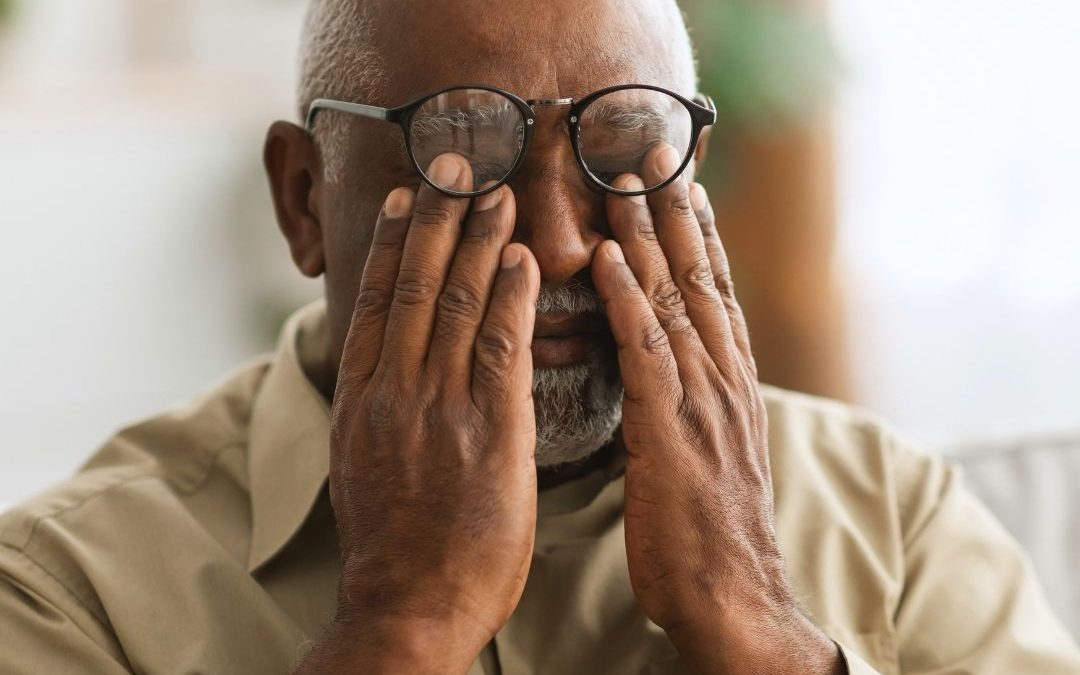
As we age, preserving our vision becomes one of the most important aspects of maintaining independence and quality of life. Liv Hospital is dedicated to providing comprehensive care for the specific health challenges that come with aging, including the management of complex eye conditions like glaucoma.
What is Glaucoma?
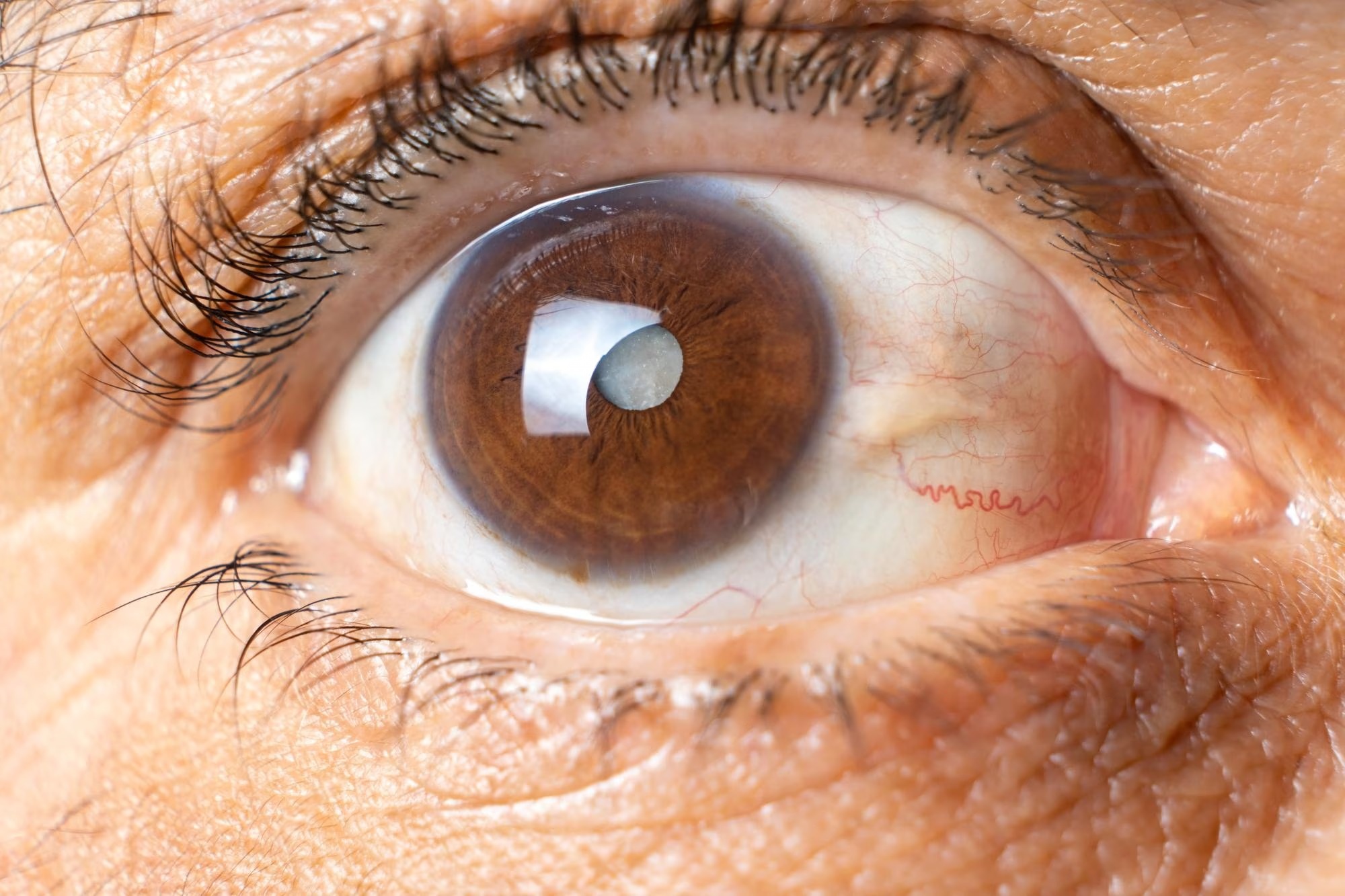
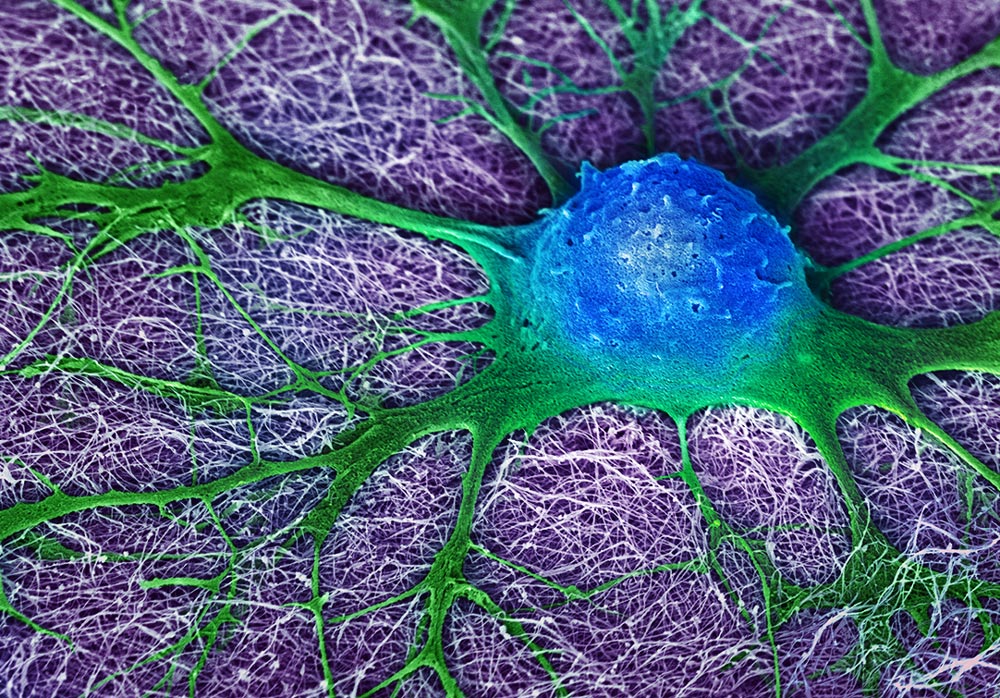
Glaucoma is often referred to as the “silent thief of sight” because it typically progresses slowly and without pain. It is a group of eye conditions that damage the optic nerve, the vital link between your eye and your brain. This damage is usually caused by an abnormally high pressure in your eye (intraocular pressure), though it can occur even with normal pressure levels.
For the geriatric population, glaucoma is a leading cause of irreversible blindness. Because the risk increases significantly with age, understanding the condition is the first line of defense.
The “Silent” Progression
The most dangerous aspect of glaucoma is its subtlety. In the most common form, open-angle glaucoma, there are often no early warning signs. Peripheral (side) vision is usually lost first, which many older adults may not notice immediately or might attribute to general aging. By the time vision loss becomes apparent, significant damage to the optic nerve may have already occurred.
Symptoms to Watch For
While early stages are often asymptomatic, seniors should be vigilant for:
- Patchy blind spots in side or central vision
- Tunnel vision in advanced stages
- Severe headache or eye pain (associated with acute angle-closure glaucoma)
- Nausea and vomiting accompanying eye pain
- Blurred vision
- Halos around lights
Diagnosis and Management
Early detection through regular comprehensive eye exams is crucial. For older adults, these exams should include measuring eye pressure and inspecting the drainage angle of the eye. While vision lost to glaucoma cannot be restored, treatment—including medicated eye drops, laser treatment, or surgery—can slow or prevent further loss.
For those seeking a deeper technical understanding of how this condition affects the elderly specifically, we recommend reading our specialized page on GERIATRICS Glaucoma Overview and Definition. This resource provides a more clinical look at the pathophysiology and definitions relevant to geriatric care.
A Holistic Approach to Eye Health
Managing eye health is not just about medical treatments; it is also about overall wellness. A diet rich in leafy greens, regular exercise, and maintaining healthy blood pressure levels can all support ocular health. Embracing a proactive lifestyle is key to enjoying your golden years to the fullest. For more inspiration on how to nurture your body and mind every day, visit live and feel.