

A Guide to Geriatric Health
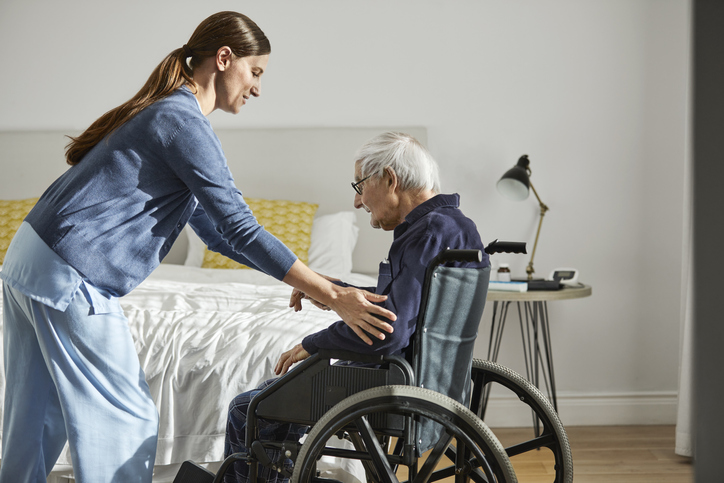
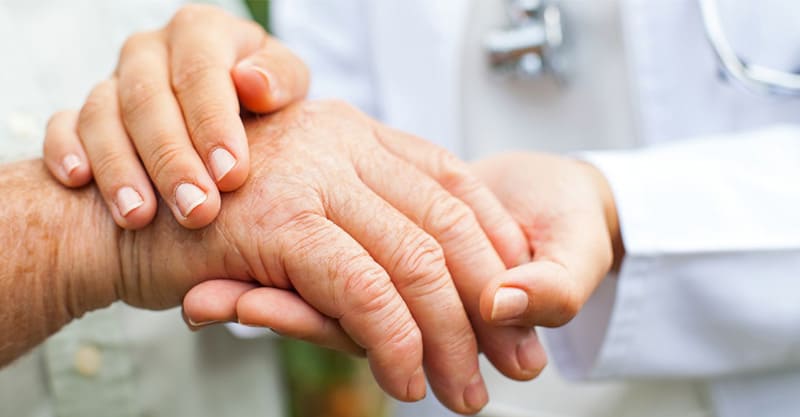
Aging is a complex biological process that affects every system in the body. As medical science advances, we are living longer than ever before, but longevity brings its own set of unique health challenges. Geriatric medicine is the specialized field dedicated to addressing these challenges, focusing not just on treating disease, but on optimizing function and quality of life for older adults. Liv Hospital‘s multidisciplinary approach ensures that elderly patients receive comprehensive care tailored to their specific biological and social needs.
Distinguishing Disease from “Normal” Aging
One of the most critical aspects of geriatric care is distinguishing between the natural changes of aging and actual medical symptoms. It is a common misconception that pain, confusion, or extreme fatigue are inevitable parts of getting older. In reality, these are often signs of treatable conditions.
However, symptoms in older adults often present differently than in younger people. For example, an elderly patient with a urinary tract infection might not experience a fever but may instead suffer from sudden confusion or a fall. Understanding these atypical presentations is key to early diagnosis and effective treatment.
Common Geriatric Syndromes
In geriatric medicine, doctors often look for “geriatric syndromes.” These are health conditions that do not fit into discrete disease categories but are highly prevalent in older adults. They typically have multiple causes and can significantly impact independence.
Common syndromes include:
- Frailty: A state of reduced physiological reserve, making the body more vulnerable to stressors.
- Falls and Gait Disorders: Often caused by a combination of muscle weakness, vision changes, and medication side effects.
- Delirium and Cognitive Impairment: Acute or chronic changes in mental function that require immediate evaluation.
- Polypharmacy: The use of multiple medications, which increases the risk of adverse drug reactions.
Managing these complex interactions requires a deep understanding of the specific Geriatric Symptoms and Conditions that affect the elderly. By identifying these syndromes early, caregivers and medical professionals can implement strategies to prevent disability and hospitalization.
Prioritizing Wellness and Lifestyle
While medical intervention is crucial, the foundation of healthy aging often lies in daily habits. Nutrition, mental stimulation, and appropriate physical activity play a massive role in how we age. It is never too late to adopt positive lifestyle changes that boost vitality and emotional health. For more resources on holistic wellness and tips on how to live and feel your best at every stage of life, exploring a lifestyle-focused approach can make all the difference.