
Stem Cell Transplant A Complete Medical Guide
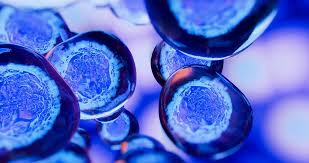
Stem cell transplantation is one of the most advanced treatment options available for patients facing serious blood cancers, bone marrow failure disorders, and certain immune system diseases. Often referred to as a bone marrow transplant, this procedure has transformed outcomes for conditions that were once considered difficult or impossible to cure.
However, stem cell transplantation is not a single event it is a carefully structured medical process involving multiple stages, specialized procedures, and long-term follow-up care. Understanding how stem cell transplant treatment works can help patients and families feel more prepared and informed.
At leading medical centers such as Liv Hospital, stem cell transplant programs are delivered through multidisciplinary expertise, modern transplant technology, and comprehensive patient support from diagnosis through recovery.
What Is a Stem Cell Transplant?
A stem cell transplant is a medical procedure used to replace damaged or diseased bone marrow with healthy stem cells. Bone marrow is responsible for producing vital blood cells, including:
- Red blood cells (carry oxygen)
- White blood cells (fight infection)
- Platelets (support clotting)
When bone marrow becomes affected by cancer or other disorders, it may no longer function properly. Stem cell transplantation helps restore the body’s ability to produce healthy blood cells and rebuild the immune system.
Conditions Treated With Stem Cell Transplantation
Stem cell transplants are most commonly used in the treatment of:
- Acute and chronic leukemia
- Hodgkin and non-Hodgkin lymphoma
- Multiple myeloma
- Severe aplastic anemia
- Myelodysplastic syndromes (MDS)
- Certain inherited immune deficiencies
The decision to proceed with transplant depends on disease stage, patient health, and response to previous treatments.
Types of Stem Cell Transplants
There are two primary types of stem cell transplantation, each with different medical applications.
Autologous Stem Cell Transplant
In an autologous transplant, the patient’s own stem cells are collected, stored, and returned after intensive chemotherapy.
Commonly used for:
- Multiple myeloma
- Certain lymphomas
Advantages:
- Lower risk of immune rejection
- Faster immune recovery
Allogeneic Stem Cell Transplant
In an allogeneic transplant, stem cells come from a donor, either a matched sibling or an unrelated donor.
Often used for:
- Leukemia
- Bone marrow failure syndromes
Benefits:
- Donor immune cells may help destroy remaining cancer cells
- Potential for long-term cure
Risks:
- Graft-versus-host disease (GVHD)
- Need for immune-suppressing medications
Stem Cell Transplant Treatment and Procedures: Step-by-Step
Stem cell transplant treatment involves several essential stages. Each step is carefully planned and monitored by a specialized transplant team.
Step 1: Pre-Transplant Evaluation
Before treatment begins, patients undergo a complete medical assessment to ensure they are fit for transplant.
Testing may include:
- Blood work and bone marrow biopsy
- Heart function tests (ECG, echocardiogram)
- Lung function testing
- Liver and kidney evaluation
- Infectious disease screening
- Donor compatibility testing (HLA typing)
This evaluation ensures the safest possible approach.
Step 2: Stem Cell Collection
The method of stem cell collection depends on transplant type.
Peripheral Blood Stem Cell Collection
Most commonly, stem cells are collected from the bloodstream using a process called apheresis. Patients or donors may receive medications that stimulate stem cells to move into the blood.
Bone Marrow Harvesting
In some cases, stem cells are collected directly from bone marrow under anesthesia.
Cord Blood Collection
Umbilical cord blood may also serve as a stem cell source, particularly when donor matches are limited.
Step 3: Conditioning Therapy
Conditioning therapy is a crucial phase before stem cell infusion. It involves high-dose chemotherapy, sometimes combined with radiation.
The goals of conditioning are to:
- Destroy cancerous or abnormal cells
- Suppress the immune system to prevent rejection
- Create space in the bone marrow for new stem cells
This phase can cause side effects such as fatigue, nausea, mouth sores, and temporary immune suppression.
Step 4: Stem Cell Infusion (Transplant Day)
The transplant itself is often called “Day 0.” Stem cells are infused through an intravenous (IV) line, similar to a blood transfusion.
The infusion is typically painless, but patients are closely monitored for:
- Allergic reactions
- Fever or chills
- Blood pressure changes
Once infused, stem cells travel to the bone marrow and begin the process of regeneration.
Step 5: Engraftment and Early Recovery
Engraftment occurs when transplanted stem cells begin producing new blood cells. This usually takes 2 to 4 weeks.
During this period, patients are at increased risk for:
- Serious infections
- Bleeding due to low platelets
- Anemia
- GVHD (in donor transplants)
Patients remain under close hospital care with supportive treatments such as antibiotics, transfusions, and nutritional support.
Step 6: Long-Term Follow-Up Care
Recovery continues long after leaving the hospital. Follow-up care is essential for monitoring:
- Immune system recovery
- Signs of relapse
- Late complications
- Chronic GVHD
- Organ health and quality of life
Patients may require regular blood tests, vaccinations, and ongoing medical support for months or years.
For detailed clinical information and advanced transplant protocols, you can visit Stem Cell Transplant Treatment and Procedures.
A Life-Changing Treatment With Ongoing Support
Stem cell transplantation offers renewed hope for many patients with life-threatening blood disorders. While the process is complex, advances in donor matching, supportive care, and transplant safety have significantly improved outcomes worldwide.
With expert transplant teams and comprehensive care programs, institutions like Liv Hospital continue to provide high-quality treatment options that support patients through every stage of the transplant journey.
As recovery progresses, maintaining overall wellness through healthy routines, emotional balance, and lifestyle support can also make a meaningful difference. For inspiration on holistic well-being and healthy living during recovery, you may explore resources from live and feel.