
Understanding the Aging Body: A Guide to Geriatric Health
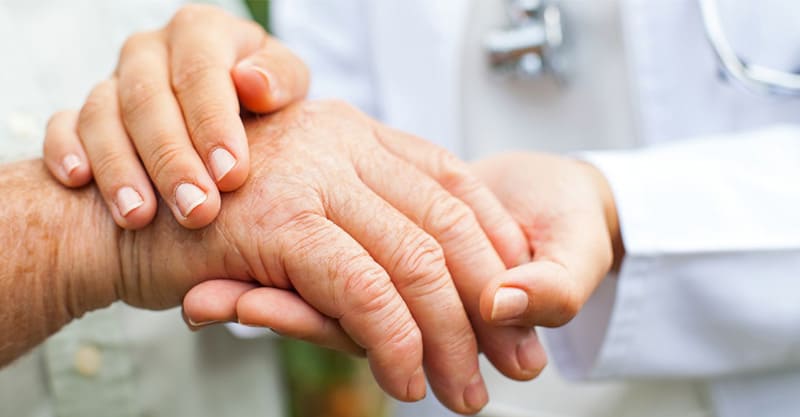
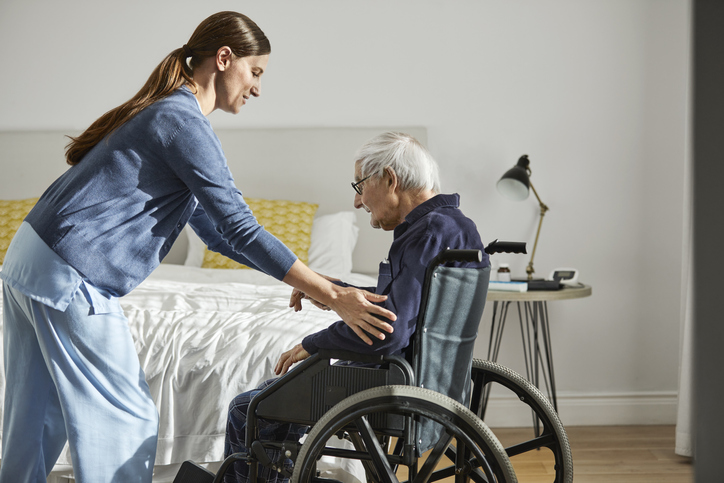
As we age, our bodies undergo a multitude of changes. While aging is a natural part of life, it often brings with it a specific set of health challenges that require specialized attention. Geriatrics is the branch of medicine dedicated to the health and care of elderly people, focusing on maintaining their independence and quality of life. Liv Hospital believes that understanding these changes is the first step toward managing them effectively.
What Makes Geriatric Health Different?
Geriatric care differs from standard adult medicine because older adults often face multiple health issues simultaneously. The physiology of an aging body handles stress, medication, and illness differently than a younger body. Consequently, symptoms in older adults can be subtle or atypical. For instance, an infection that might cause a high fever in a younger person might present only as confusion or a change in appetite in an elderly patient.
Common Geriatric Syndromes
Unlike specific diseases which have distinct causes, “geriatric syndromes” refer to clinical conditions that are common among older adults and do not fit into discrete disease categories. These often have multiple underlying factors and can significantly impact a person’s day-to-day life.
Key syndromes include:
- Frailty: A state of increased vulnerability to stressors, often characterized by unintended weight loss, exhaustion, and weakness.
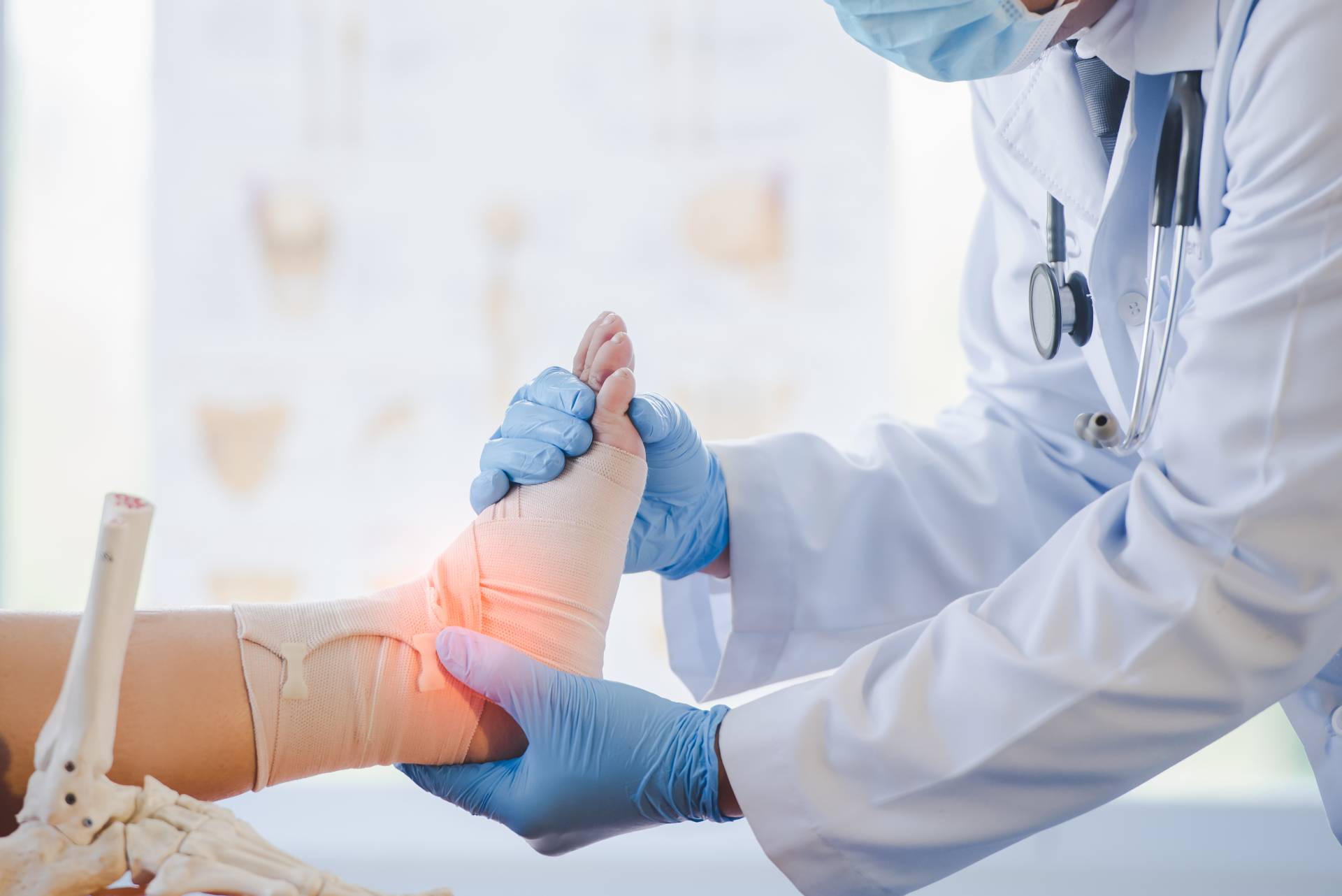
- Falls and Gait Instability: Balance issues are a leading cause of injury in seniors, often resulting from a combination of muscle weakness, vision problems, and medication side effects.
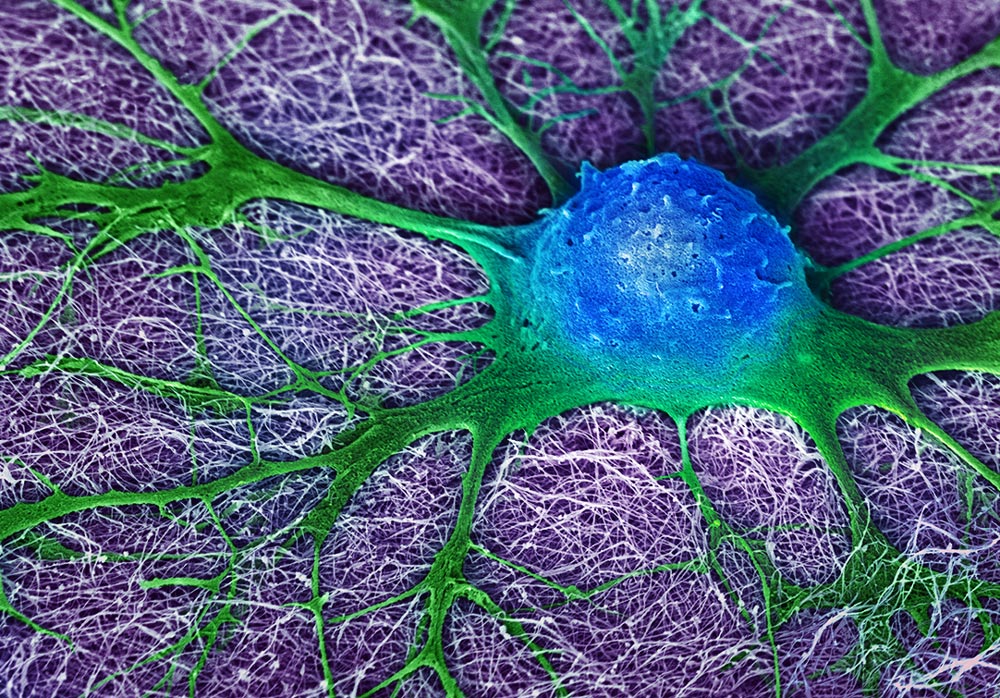
- Cognitive Impairment: Ranging from mild forgetfulness to severe dementia or delirium, cognitive health is a pillar of geriatric care.
- Incontinence: While common, urinary or fecal incontinence is often treatable and should not be accepted as an inevitable part of aging.
Chronic Conditions in the Elderly
Beyond syndromes, older adults are more susceptible to chronic conditions such as osteoarthritis, hypertension, diabetes, and heart disease. Managing these requires a holistic approach, ensuring that treatments for one condition do not negatively impact another. This is why a comprehensive understanding of the Geriatric Symptoms and Conditions Overview and Definition is essential for caregivers and patients alike. Recognizing the distinction between normal aging and pathological symptoms allows for earlier intervention and better outcomes.
A Holistic Approach to Aging Well
Ultimately, healthy aging is about more than just managing disease; it is about nurturing the body and mind to maintain vitality for as long as possible. Integrating physical activity, nutrition, and mental engagement into daily routines can prevent or delay many of the issues associated with getting older. For more insights on adopting a holistic approach to wellness and exploring how you can live and feel your best at any age, focusing on lifestyle choices is just as important as medical care.