

Protecting Vision in the Golden Years and Understanding Glaucoma
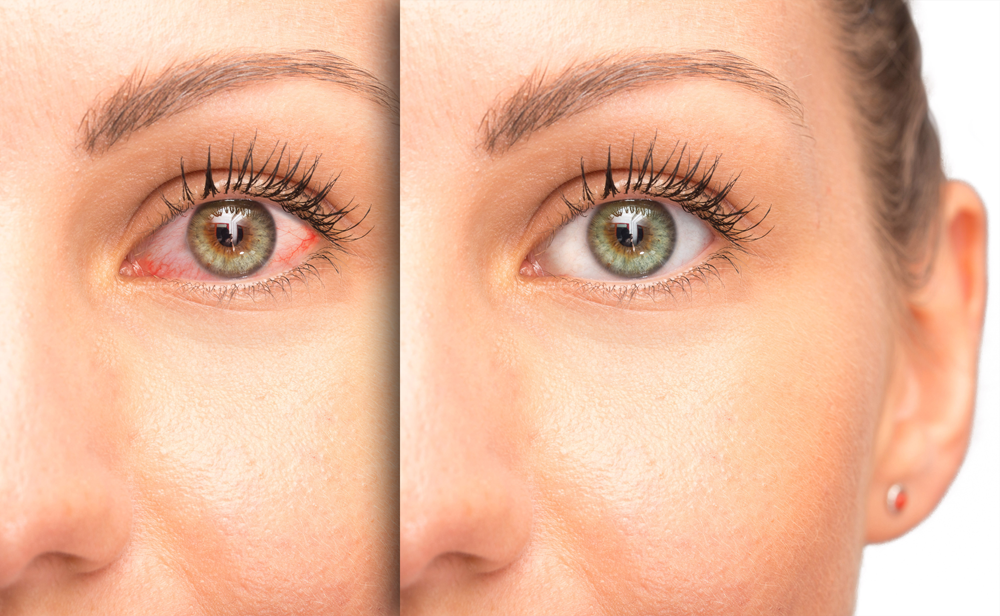
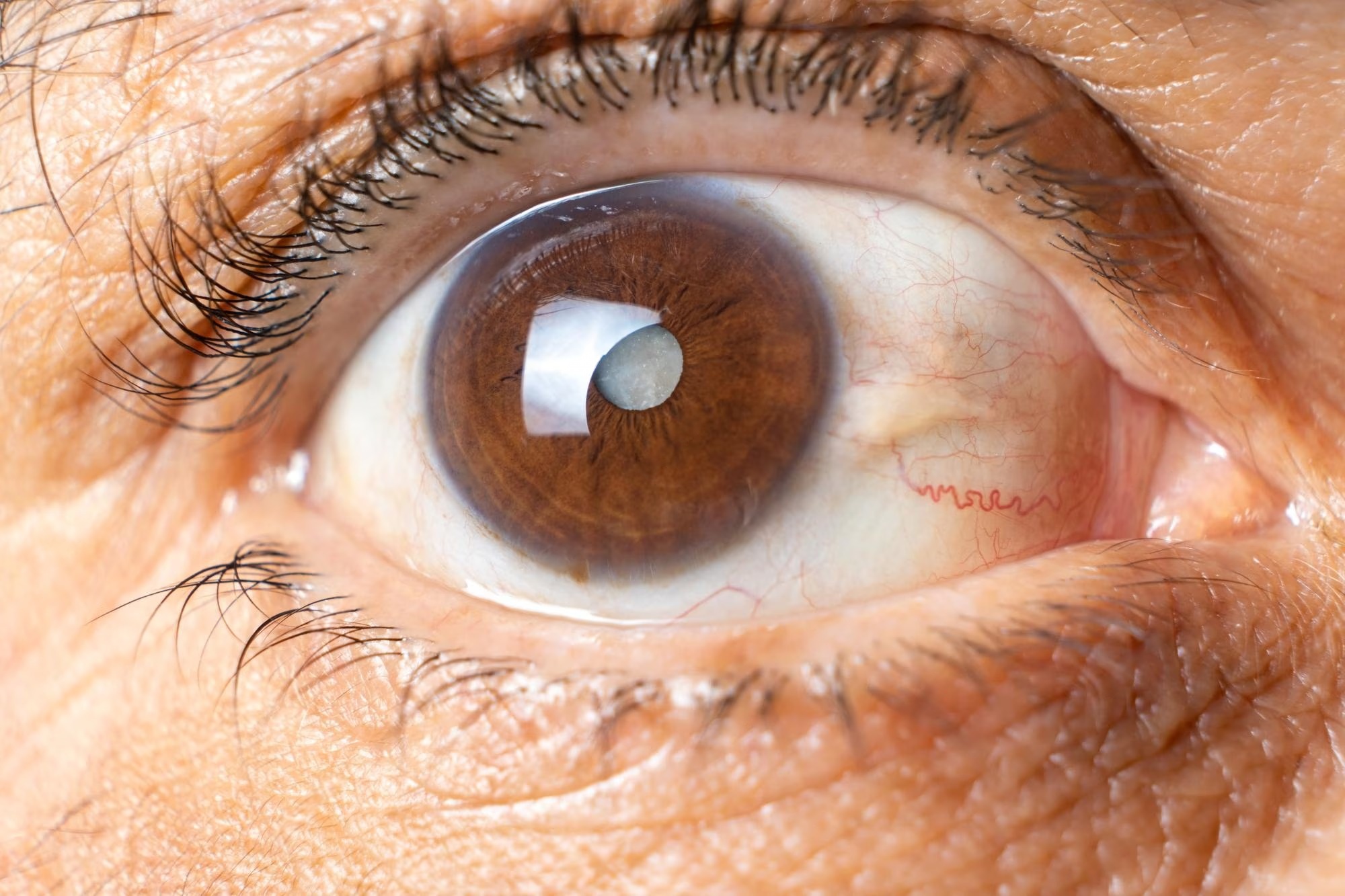
As we age, our eyes undergo various changes, some natural and others requiring medical attention. Glaucoma, often called the “silent thief of sight,” is a leading cause of blindness for people over 60. Because it frequently develops without early symptoms, understanding the diagnostic process is crucial for preserving vision and maintaining quality of life in older adults.
Why Geriatric Eye Care is Critical
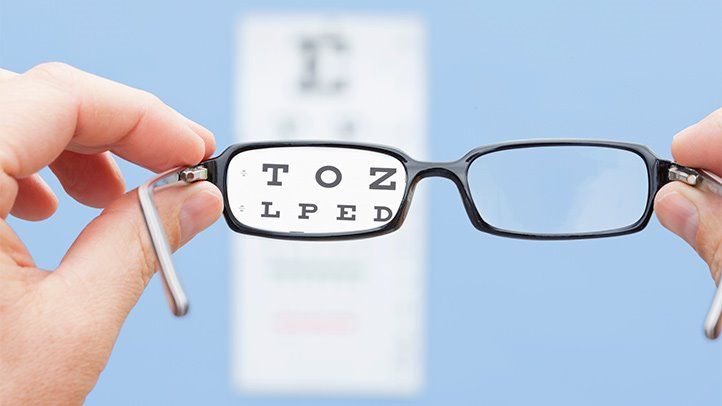
In geriatric medicine, eye care goes beyond simple vision correction. Older adults are more susceptible to higher intraocular pressure (IOP), which can damage the optic nerve. Regular screenings are essential because the loss of vision due to glaucoma is irreversible. Liv Hospital emphasizes a proactive approach, recommending that seniors undergo comprehensive eye exams annually to catch potential issues before they progress.
The Diagnostic Process
Diagnosing glaucoma in the elderly requires precision and a multi-faceted approach. A simple pressure check is often not enough. A thorough evaluation typically includes:
- Tonometry: Measuring the inner pressure of the eye.
- Ophthalmoscopy: Examining the shape and color of the optic nerve for damage.
- Perimetry (Visual Field Test): Mapping the complete field of vision to check for blind spots.
- Gonioscopy: Inspecting the angle in the eye where the iris meets the cornea to determine if it is open or closed.
- Pachymetry: Measuring the thickness of the cornea, which can influence pressure readings.
Specialized Care for Seniors
Elderly patients often present with other comorbidities that can complicate diagnosis, such as cataracts or age-related macular degeneration. This makes a specialized focus vital. A dedicated approach ensures that the nuances of aging eyes are considered during testing. For patients seeking specific expertise in this area, we provide specialized GERIATRICS Glaucoma Diagnosis and Evaluation designed to detect subtle changes early and tailor treatment plans to the unique physiological needs of older adults.