

Glaucoma Symptoms and Conditions in Older Adults
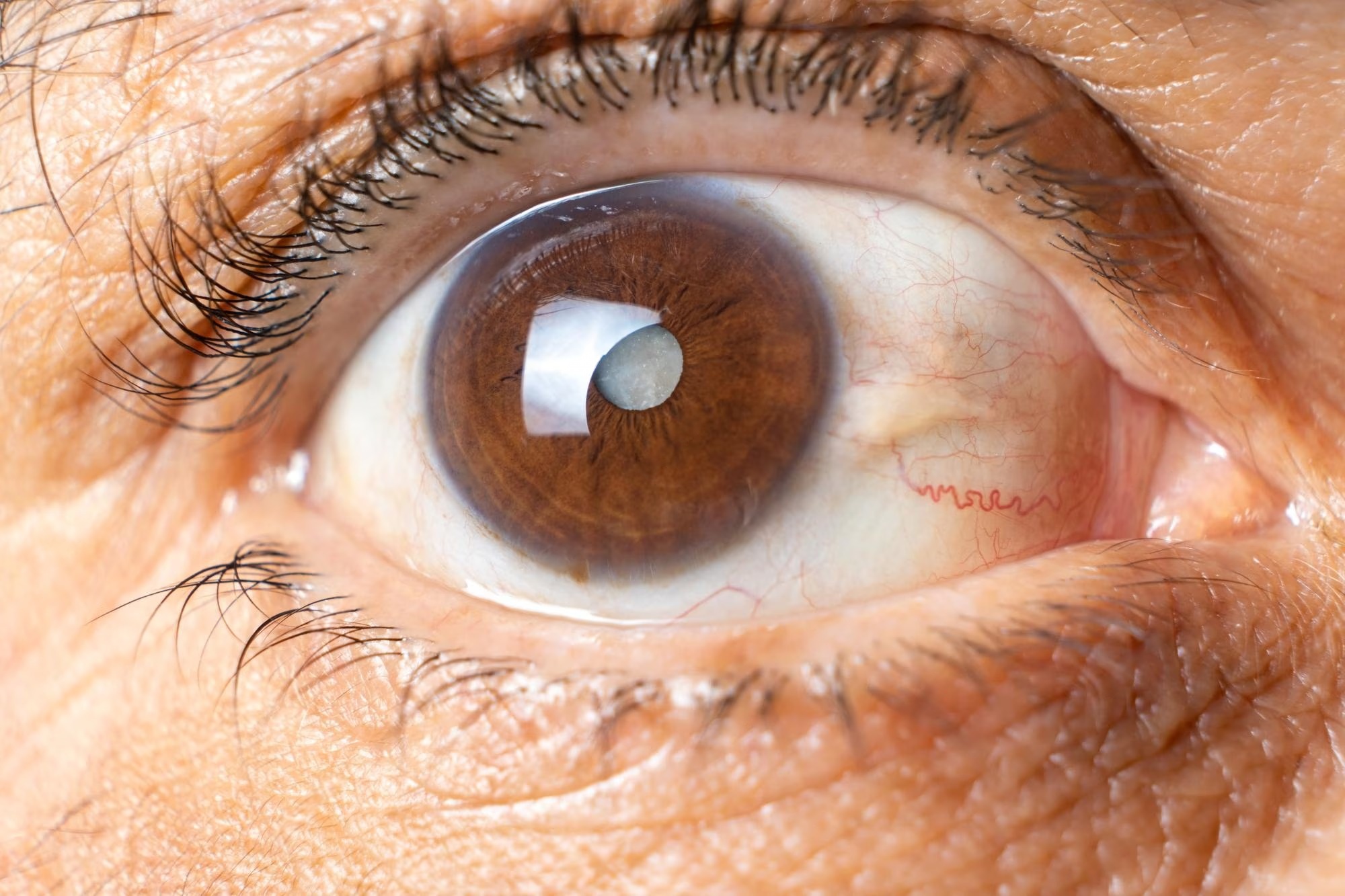
Vision is one of our most precious senses, connecting us to the world and the people we love. However, as we age, the risk of developing eye conditions increases significantly. Liv Hospital understands that preserving vision is critical for maintaining independence and quality of life in our geriatric patients. Among age-related eye diseases, glaucoma stands out as a leading cause of blindness, often striking without early warning.
Understanding the “Silent” Symptoms
Glaucoma is actually a group of eye conditions that damage the optic nerve, usually due to high fluid pressure inside the eye. The danger lies in its progression. In its most common form, Primary Open-Angle Glaucoma, symptoms develop so gradually that many older adults do not notice a change until significant vision loss has occurred.
Common signs to watch for include:
- Peripheral Vision Loss: Often the first sign, appearing as patchy blind spots in your side vision.
- Tunnel Vision: In advanced stages, vision may narrow until only a central window remains.
Unlike the “silent” type, Acute Angle-Closure Glaucoma is a medical emergency with sudden and distinct symptoms:
- Severe eye pain and headaches.
- Nausea and vomiting accompanying eye pain.
- Sudden onset of blurred vision.
- Seeing halos or rainbow-colored rings around lights.
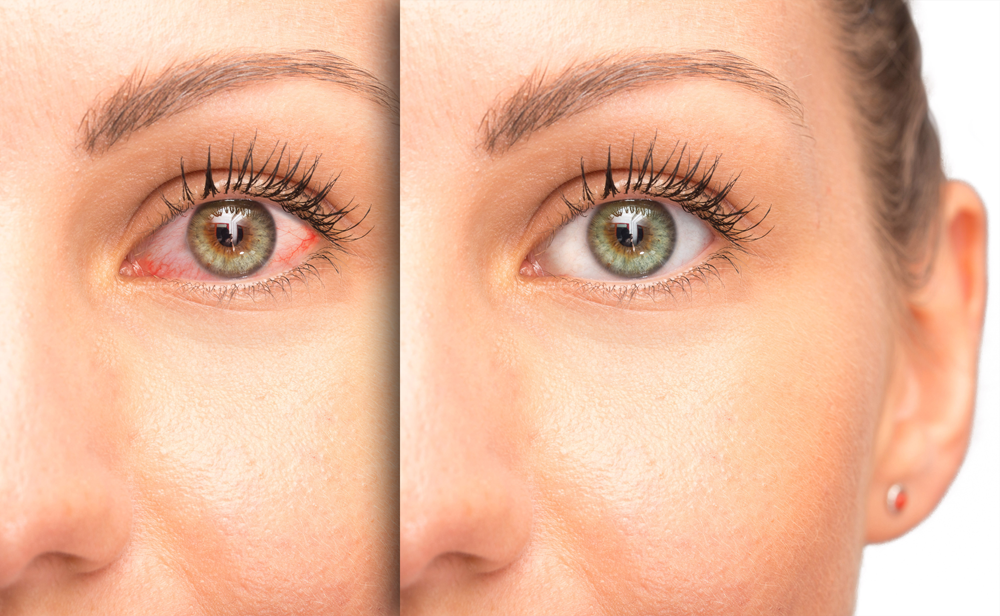
- Redness of the eye.
Related Conditions and Risk Factors
While age is a primary risk factor, specifically for those over 60, other conditions can increase susceptibility. Geriatric patients often manage multiple health issues that can intersect with eye health.
- Medical History: Diabetes, heart disease, and high blood pressure can impact eye pressure and optic nerve health.
- Medication Usage: Long-term use of corticosteroids, whether in the form of eye drops, pills, or inhalers, can sometimes shorten the onset of glaucoma.
- Physical Eye Conditions: Thinner corneas or previous eye injuries can also predispose individuals to the disease.
For a detailed medical breakdown of these factors and clinical presentations, we encourage you to review our dedicated resource on GERIATRICS Glaucoma Symptoms and Conditions. Early diagnosis through regular comprehensive eye exams is the most effective way to protect your sight against these conditions.