


OpenAI Revenue Skyrockets Past $20 Billion, But ChatGPT Ad Integration Sparks Fierce Debate on AI’s Commercial Future
OpenAI, the undisputed leader in generative artificial intelligence, announced astonishing financial results on Monday, reporting that its annual revenue for 2025 soared past the $20 billion mark. This monumental achievement, driven by the explosive adoption of ChatGPT Enterprise and its API services, solidifies the company’s position at the vanguard of the AI revolution. However, the accompanying revelation that ChatGPT is set to introduce an ad-supported tier, starting with “contextual banner ads,” has ignited a fervent debate among users, privacy advocates, and industry observers about the commercialization of AI and its foundational principles.
From Research Lab to Revenue Juggernaut
Just a few years ago, OpenAI was primarily known as a research non-profit. Its transformation into a multi-billion dollar enterprise highlights the unprecedented pace of AI development and adoption. The company’s flagship product, ChatGPT, has moved beyond being a viral sensation to a mission-critical tool for enterprises globally.
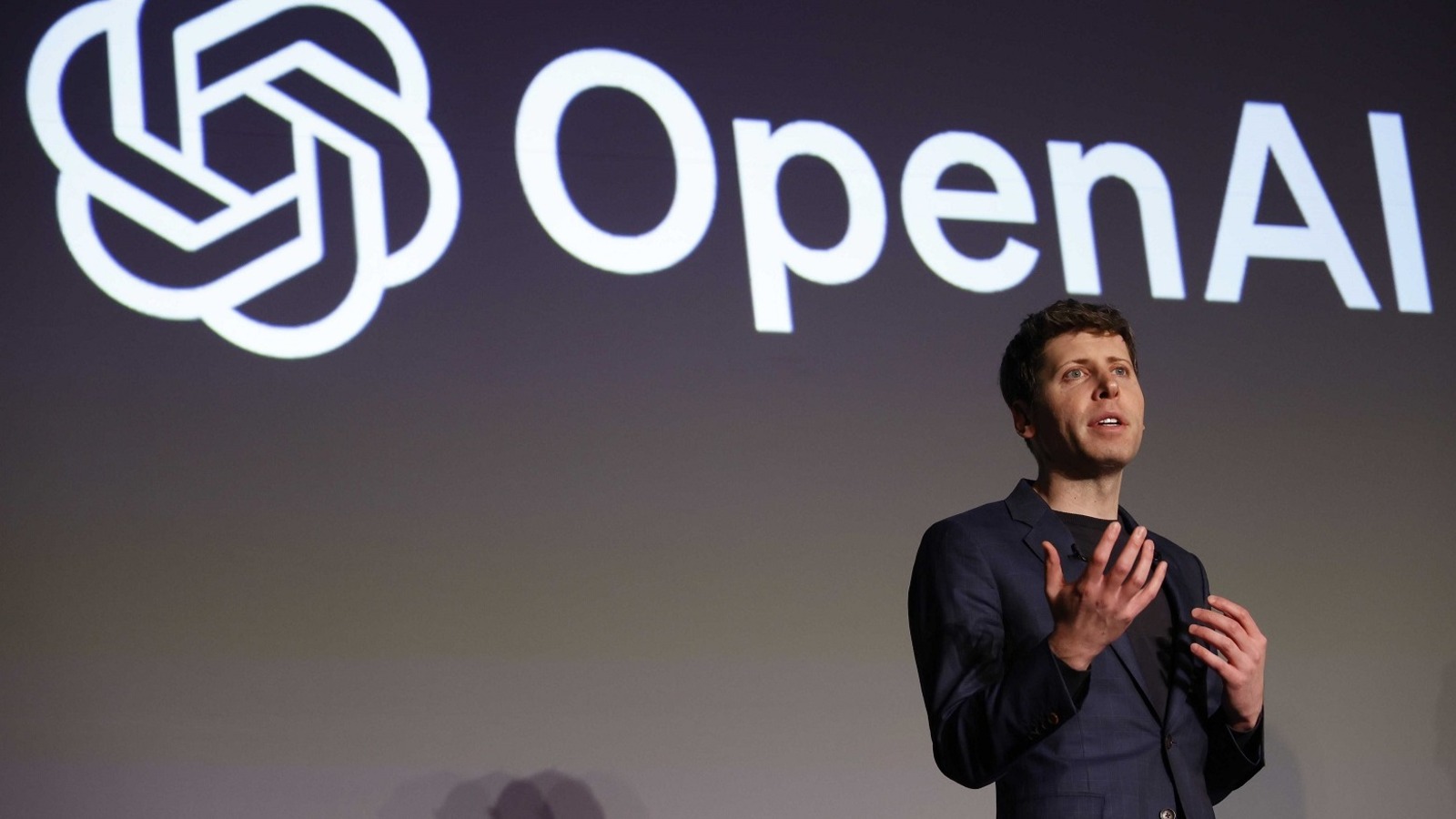
“The demand for advanced AI capabilities has exceeded even our most optimistic projections,” stated OpenAI CEO Sam Altman in a press release. “Our enterprise solutions, powering everything from customer service to advanced R&D, have seen exponential growth. This revenue enables us to invest even more aggressively in safety, research, and scaling our foundational models.”
Sources close to the company indicate that a significant portion of the revenue came from custom large language model (LLM) deployments for Fortune 500 companies and the surging use of the GPT-5 API for various applications, including content generation, coding assistance, and data analysis. The existing ChatGPT Plus subscription also contributed substantially, demonstrating users’ willingness to pay for premium, ad-free access.
The Ad-Supported Future of ChatGPT
The most controversial announcement, however, was OpenAI’s strategic pivot to an ad-supported model for its widely used free tier of ChatGPT. Starting in Q2 2026, free users will begin to see “contextual banner advertisements” integrated into their chat interfaces.
“Our mission is to make advanced AI accessible to everyone,” Altman explained during a hastily arranged virtual town hall. “To sustain this mission, especially with the immense computational costs of running these models, we need diverse revenue streams. Advertising allows us to continue offering a powerful version of ChatGPT to millions globally, without a direct subscription fee.”
OpenAI emphasized that the ads would be “non-intrusive” and “strictly contextual,” designed to enhance the user experience rather than detract from it. For example, if a user asks ChatGPT for vacation recommendations, they might see a banner ad for a travel booking site or a specific airline. The company assured users that their conversations would remain private and not be used for targeted advertising outside of the direct, real-time contextual interaction.
![Image Placeholder: A split-screen image. On the left, a vibrant, futuristic graph showing a sharp upward trend, labeled “OpenAI Revenue ($B)”. On the right, a stylized image of a ChatGPT interface with a subtle, non-intrusive banner ad at the bottom, promoting a relevant product or service based on the chat content (e.g., a travel ad below a travel planning query). The overall aesthetic is clean and high-tech.]
The Roaring Debate: Ethics, Privacy, and the Soul of AI
The announcement sent shockwaves through the AI community. Critics immediately raised concerns about privacy, data usage, and the potential erosion of trust in an AI system that is meant to be a neutral information provider.
“This is a slippery slope,” argued Dr. Anya Sharma, a leading AI ethicist at Stanford. “Once you open the door to advertising, the incentives shift. Will ChatGPT start subtly nudging users toward advertised products? Will conversations be processed in ways that compromise privacy, even if it’s ‘contextual’? OpenAI started with a noble mission, but this feels like a betrayal of that trust.”
Users on social media platforms expressed a mix of resignation and anger. Many free users acknowledged that “nothing truly free,” but some worried about the quality of responses being influenced by commercial interests. “Next thing you know, ChatGPT will tell me to buy Pepsi when I ask for a generic soda recipe,” one user quipped on X (formerly Twitter).
Google and Microsoft’s Response
The move by OpenAI is seen as a direct challenge and a forced adaptation for rivals like Google and Microsoft. Google’s Bard (and its upcoming Gemini integration) has largely remained ad-free, relying on its parent company’s vast advertising empire. Microsoft, a major investor in OpenAI, has integrated ChatGPT into its Edge browser and Bing search, but has also kept those experiences largely free of direct, in-AI advertising.
Industry analysts predict that Google will now face immense pressure to either follow suit or double down on its ad-free AI offerings to differentiate. “OpenAI is demonstrating that AI is too expensive to be truly free at scale,” said tech analyst Mark Mahaney. “This forces the hands of everyone else. The question is, can Google monetize its AI without diluting the search experience, and can Microsoft maintain its AI advantage without burdening users with ads?”
The Future of AI Monetization
The debate over ChatGPT ads is emblematic of a broader struggle within the AI industry: how to fund the immensely expensive computational power required for cutting-edge models while maintaining ethical standards and user trust. Training a single large language model can cost hundreds of millions of dollars, and running inference (answering user queries) also racks up significant operational expenses.
OpenAI’s decision, while controversial, highlights a fundamental truth: the “free AI” model, even with a premium tier, is unsustainable in the long run given the current cost structure. Whether this move sets a precedent for all future AI interactions—where every chatbot and AI assistant eventually becomes an advertising billboard—remains to be seen.
For now, OpenAI has firmly planted its flag as a commercial powerhouse. The challenge now is to balance its meteoric financial success with the ethical responsibilities inherent in shaping the future of artificial intelligence.