


Senegal Retakes African Throne Amidst Unprecedented Walk-Off Protest and Penalty Drama
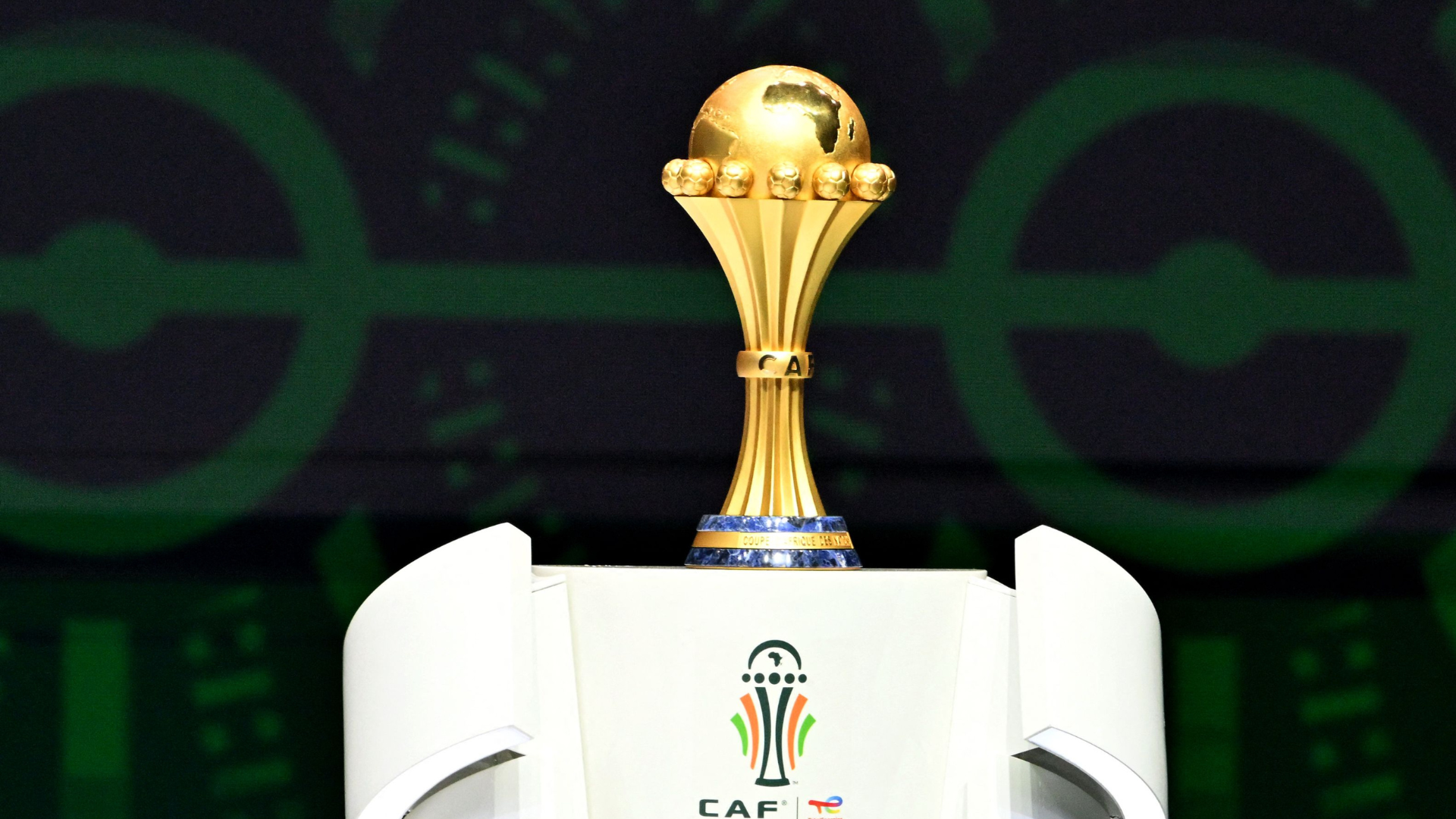
The 2025 Africa Cup of Nations (AFCON) reached its crescendo on Sunday night at the Prince Moulay Abdellah Stadium in a manner that will be debated for decades. In a final that swung from tactical brilliance to utter farcicality, Senegal emerged as champions, securing their second continental title with a 1-0 victory over hosts Morocco in extra time. However, the footballing world is today reeling not from the result, but from a 17-minute suspension of play that saw Senegal’s players abandon the pitch in a protest rarely seen at this level of the sport.
A Final Teetering on the Edge
Before the chaos, the match was a masterclass in tactical discipline. Morocco, buoyed by 66,000 screaming fans, sought to end a 50-year drought since their last AFCON triumph in 1976. Senegal, the “Lions of Teranga,” looked to reclaim the glory of 2021. For 90 minutes, the two heavyweights punched and counter-punched. Morocco’s Brahim Díaz was a constant threat, while Senegal’s defense, led by the veteran Sadio Mané in a deeper role, held firm.
The tension reached a breaking point in the 92nd minute when Senegal’s Ismaïla Sarr headed home what appeared to be the winner. The Senegalese bench erupted, only for the goal to be disallowed by referee Jean-Jacques Ndala. The official had blown for a foul by Abdoulaye Seck on Achraf Hakimi seconds before the ball crossed the line—a decision that VAR could not overturn because the whistle had preceded the goal.
The Stoppage-Time Meltdown
The real explosion occurred in the 98th minute. During a desperate Moroccan attack, Brahim Díaz went down in the box under a challenge from El Hadji Malick Diouf. Initially, play continued, but the referee was eventually summoned to the pitchside monitor by the Video Assistant Referee (VAR).
When Ndala returned to the pitch and pointed to the spot, the Senegalese players were incredulous. In a stunning display of defiance, manager Pape Thiaw ordered his team to leave the field. “We were being robbed in front of the whole world,” Thiaw later said in a post-match interview that began with an apology. “The pressure of playing the hosts was too much for the officials.”
For 15 agonizing minutes, the stadium was in a state of confused limbo. The Moroccan fans whistled relentlessly as the pitch stood empty, save for the officials and a handful of Moroccan players. It was the intervention of Sadio Mané that finally broke the deadlock. The former Liverpool star, who had refused to leave the pitch, was seen sprinting down the tunnel. Minutes later, he emerged, ushering his shell-shocked teammates back onto the grass.
![Image Placeholder: A powerful action shot from the final. In the center, Sadio Mané is seen with his arms outstretched, pleading with his teammates near the tunnel entrance. In the background, the scoreboard shows 0-0 at the 90+15′ mark. An inset photo shows Morocco’s Brahim Díaz looking devastated with his face in his hands.]
The “Panenka” Disaster
When play finally resumed nearly 20 minutes after the initial foul, the psychological advantage had clearly shifted. Brahim Díaz, the tournament’s top scorer, stepped up to take the penalty that would likely hand Morocco the trophy. In a moment of inexplicable bravado or extreme nerves, Díaz attempted a “Panenka” chip down the middle.
Senegal’s goalkeeper, Edouard Mendy, who had remained remarkably calm throughout the protest, didn’t dive. He stood his ground and comfortably caught the floating ball in his midriff. The stadium fell into a stunned silence, while the Senegalese players celebrated as if they had already won the cup. The miss went viral instantly, with commentators calling it the “most ill-timed audacity in football history.”
Extra Time and Redemption
The match drifted into extra time, but Morocco’s spirit seemed broken by the penalty miss and the bizarre delay. In the 94th minute, Pape Gueye picked up the ball 25 yards out and unleashed a thunderous strike that flew past Yassine Bounou into the top corner. It was a goal worthy of any final, and this time, there were no whistles to cancel it out.
Senegal defended with their lives for the remaining 26 minutes. When the final whistle blew, the contrast was stark: Senegalese joy mixed with relief, and Moroccan players collapsing in tears on the turf they had hoped to conquer.
Legal Threats and Aftermath
The story did not end with the trophy presentation. On Monday, the Royal Moroccan Football Federation (FRMF) announced it would pursue legal action through CAF (Confederation of African Football) and FIFA. The FRMF argues that the walk-off was a “premeditated psychological tactic” that disrupted the flow of the game and directly impacted Díaz’s focus before the penalty.
“The image we have given of African football is shameful,” said Morocco’s coach, Walid Regragui. “A coach asking players to leave the field… this cannot happen in 2026. If a team walks off, they should forfeit the match. Those are the rules.”
CAF has confirmed it is reviewing the footage and will refer the matter to its disciplinary committee. Senegal faces a potentially massive fine and a possible ban for manager Pape Thiaw, though their status as champions is unlikely to be stripped.
The Legacy of Rabat 2026
For Senegal, this is a moment of grit and “Teranga” spirit. For Morocco, it is a heartbreaking “what-if” that will haunt Brahim Díaz for the rest of his career. For the sport of football, it serves as a cautionary tale of how the combination of high-stakes VAR decisions and home-crowd pressure can lead to a total collapse of order.
As Sadio Mané lifted the trophy into the night sky of Rabat, the fireworks were beautiful, but the bitter taste of the evening’s events lingered. Africa has its champion, but the 2026 AFCON final will be remembered more for the 17 minutes when the football stopped than for the brilliance of the goal that eventually won it.